

 home
home


 |
Centrip Editorial Board
|
Centrip Editorial Board
Discover Komagane: Breathtaking Views at Senjojiki Cirque, Komagane Highlands, Kozenji Temple, and CLASUWA No Mori

Nestled in the heart of Nagano Prefecture, the city of Komagane offers sweeping views of the Central Alps, along with rich culinary traditions and cultural experiences shaped by the surrounding mountains. While Senjojiki Cirque is the area’s most iconic attraction, Komagane also offers scenic hiking trails in the highlands, the historic Kozenji Temple, and local specialties like their famous sauce katsudon. In October 2024, a new highlight—CLASUWA No Mori, located next to the Yomeishu factory—celebrated its grand opening. This article introduces a sample itinerary showcasing the best of the Komagane area.
Table of Contents
- Komagane Farms: The Gateway to Komagane and Senjojiki
- Mars Komagatake Distillery: Japanese Whisky Born from Alpine Waters
- Meiji Tei Chuo Arupusu Tozanguchi Ten: The Local Favorite for Sauce Katsudon
- From Komagaike Pond to Kozenji Temple
- CLASUWA No Mori: A Must-Visit Spot Opened in 2024
- Yomeishu Komagane Factory: Sharing Japan’s Herbal Liqueur Tradition
- Hayataro Onsen: Unwind in a Healing Hot Spring
- Senjojiki Cirque: One of Japan’s Most Spectacular Natural Landscapes
- Wrap-up
Komagane Farms: The Gateway to Komagane and Senjojiki
The journey through Komagane begins at Komagane Farms, the main hub for visitors to the area. Right next door is the Suganodai Bus Center, which serves as the departure point for the Komagatake Ropeway. It’s a lively spot in the early morning, bustling with hikers and tourists heading to the mountains.
Komagane Farms is a multi-purpose facility that also functions as a tourist information center. Here, you can pick up local maps and brochures, browse regional specialties and gourmet foods, and shop for souvenirs. With a spacious parking area, it also offers convenient access to the ropeway, highland areas, and nearby hot springs.
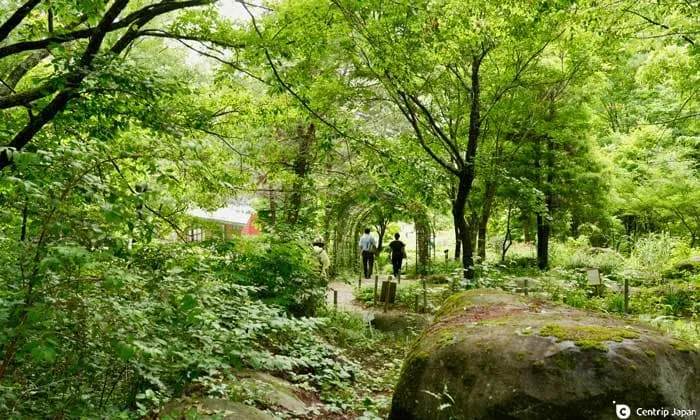 Scenic hiking trails of Komagane Highlands
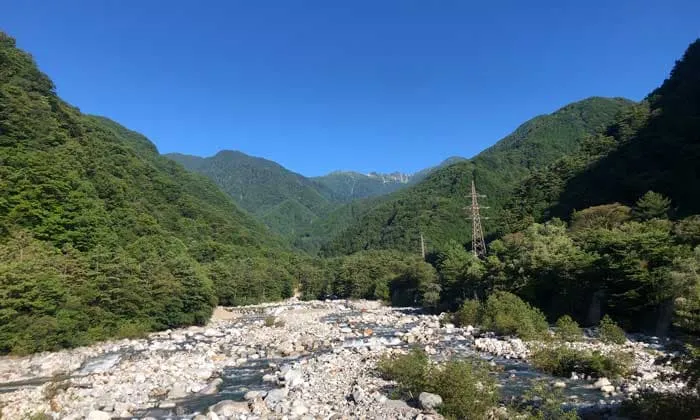 View of the Central Alps from Komagane Bridge
To the north of Komagane Farms runs the Otagiri River, fed by snowmelt from the Central Alps.
Along this river, several well-maintained hiking trails offer peaceful walks through nature. Starting at Komakusa Bridge, a suspension bridge next to Komagane Farms, a trail upstream leads you along a maple-lined path with roughly 1,000 trees. Head downstream, and you’ll find a landscaped garden dotted with wildflowers.
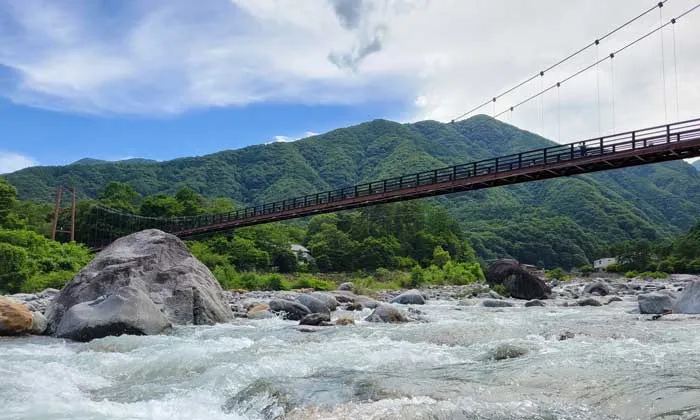 Komakusa Bridge spanning the Otagiri River
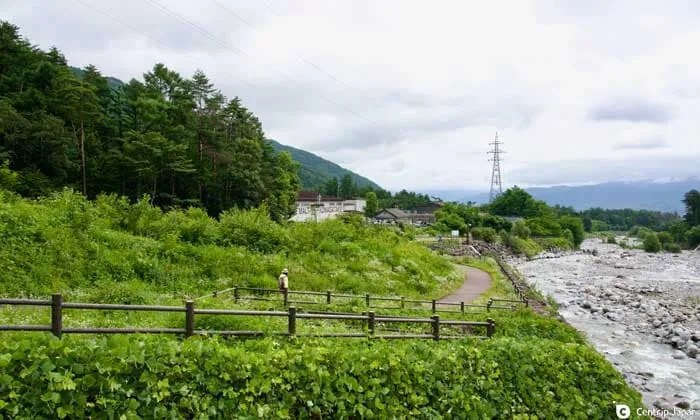 Continue along the river to reach the Mars Komagatake Distillery
Mars Komagatake Distillery: Japanese Whisky Born from Alpine Waters
A 15-minute stroll downstream from Komakusa Bridge brings you to the Mars Komagatake Distillery, home of the internationally acclaimed Single Malt Komagatake.
With its crisp mountain air, pristine water, and cool climate, the location offers ideal conditions for aging whisky. The distillery’s flagship single malt has received multiple awards at global spirits competitions, earning praise from whisky lovers around the world.
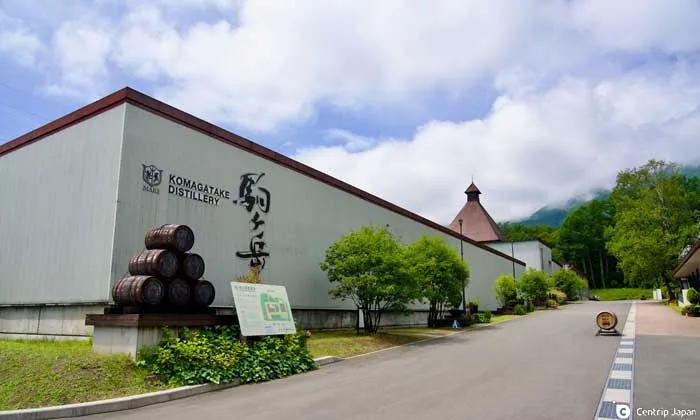 The distillery also produces wine and beer on-site
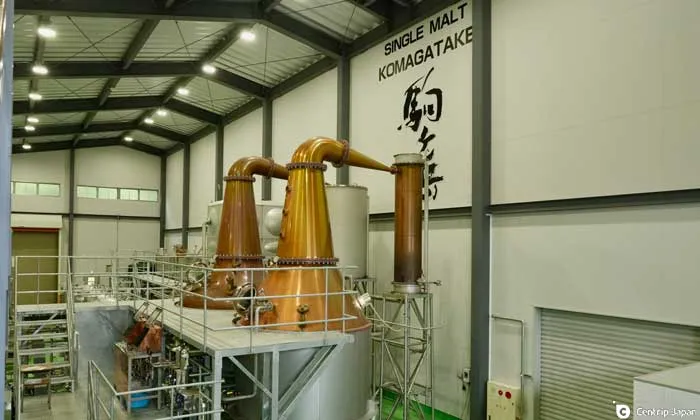 View the essential pot stills used in whisky production
Tour the distillery at your own pace—no reservation needed. Learn how whisky is made as you explore the stills and aging warehouse. (Check in at reception when you arrive.)
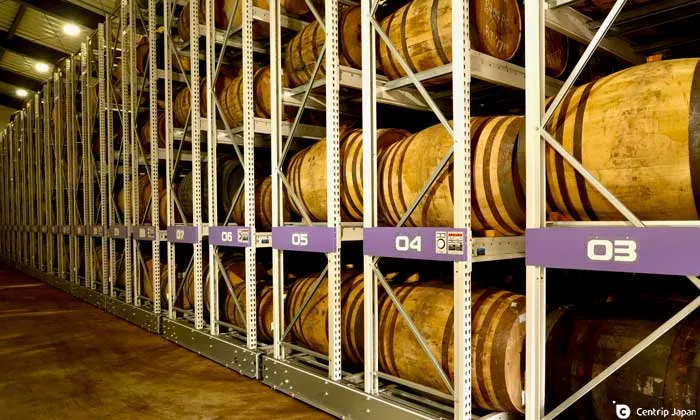 Rows of barrels in the storage warehouse (viewable through glass)
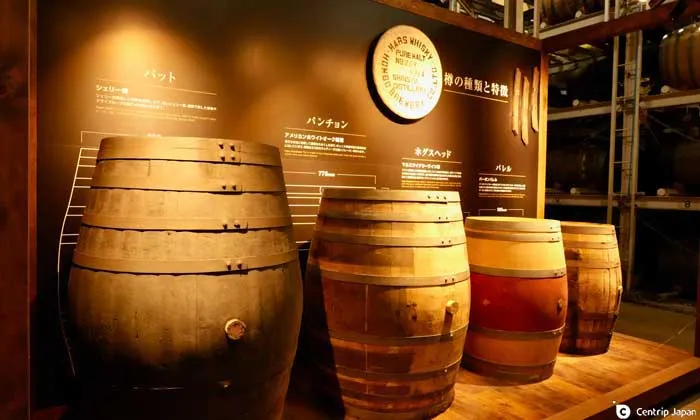 Different barrel types yield distinct flavor profiles (this storage area is not open to
the public)
Different barrel types yield distinct flavor profiles (this storage area is not open to
the public)
At the on-site bar lounge, enjoy a tasting flight of various whiskies and discover the subtle nuances created by different barrel types. The adjacent shop also sells a selection of craft beer and signature whisky labels.
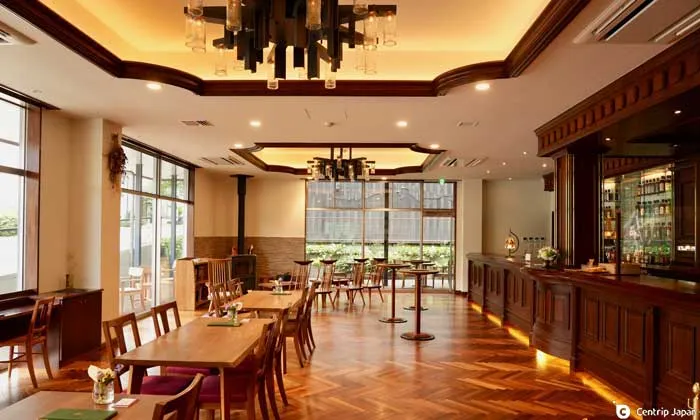 Paid tastings of whisky and beer are available (up to 3 samples per person)
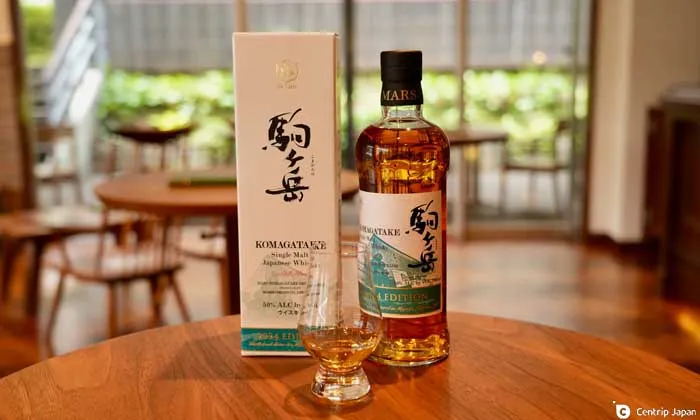 Flagship label: Single Malt Komagatake
Meiji Tei Chuo Arupusu Tozanguchi Ten: The Local Favorite for Sauce Katsudon
After your hike, it’s time for lunch—and what better way to refuel than with Komagane’s signature dish: sauce
katsudon? This local delicacy is clearly defined by the Komagane Sauce Katsudon Association’s guidelines and can be
found at eateries and inns throughout the city.
A thick, crispy pork cutlet is dipped in a sweet-and-savory sauce and served atop a generous bed of shredded cabbage
and rice—a hearty and flavorful meal.
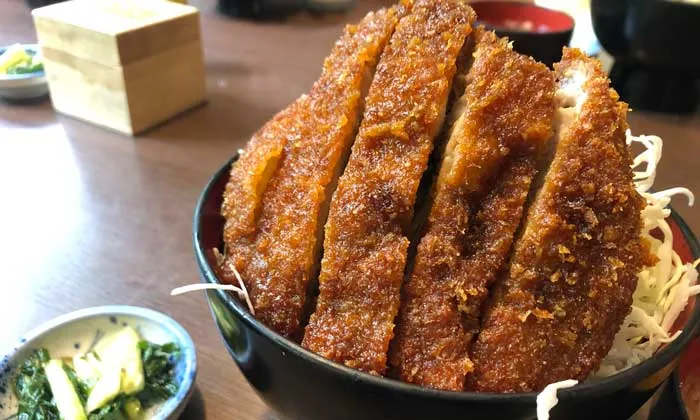 Local specialty: Komagane Sauce Katsudon
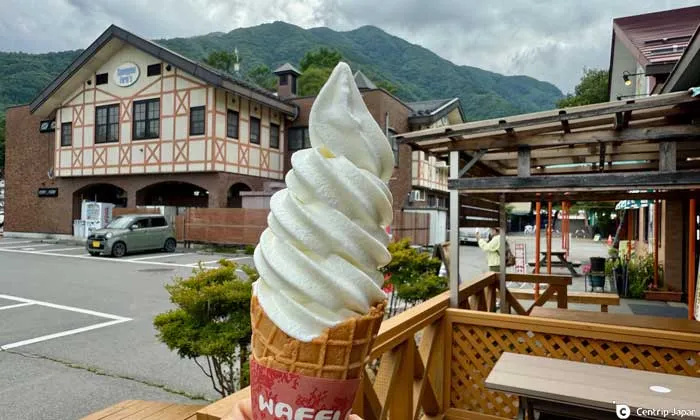 Soft-serve ice cream made with Highland milk is also a hit
Meiji Tei Chuo Arupusu Tozanguchi Ten is a well-known, long-established katsudon restaurant. Their in-house sauce is
produced at the adjacent factory, and the shop’s proximity to Komagane Farms and the bus center makes it a popular
stop for tourists.
In addition to the classic katsudon, the shop also offers a creative twist—the Don-man, a sandwich-style version using
the same cutlet. And if you’ve still got room after your meal, we recommend the rich, creamy Suzuran soft-serve sold
at nearby Suzuran House, next to Komagane Farms.
From Komagaike Pond to Kozenji Temple
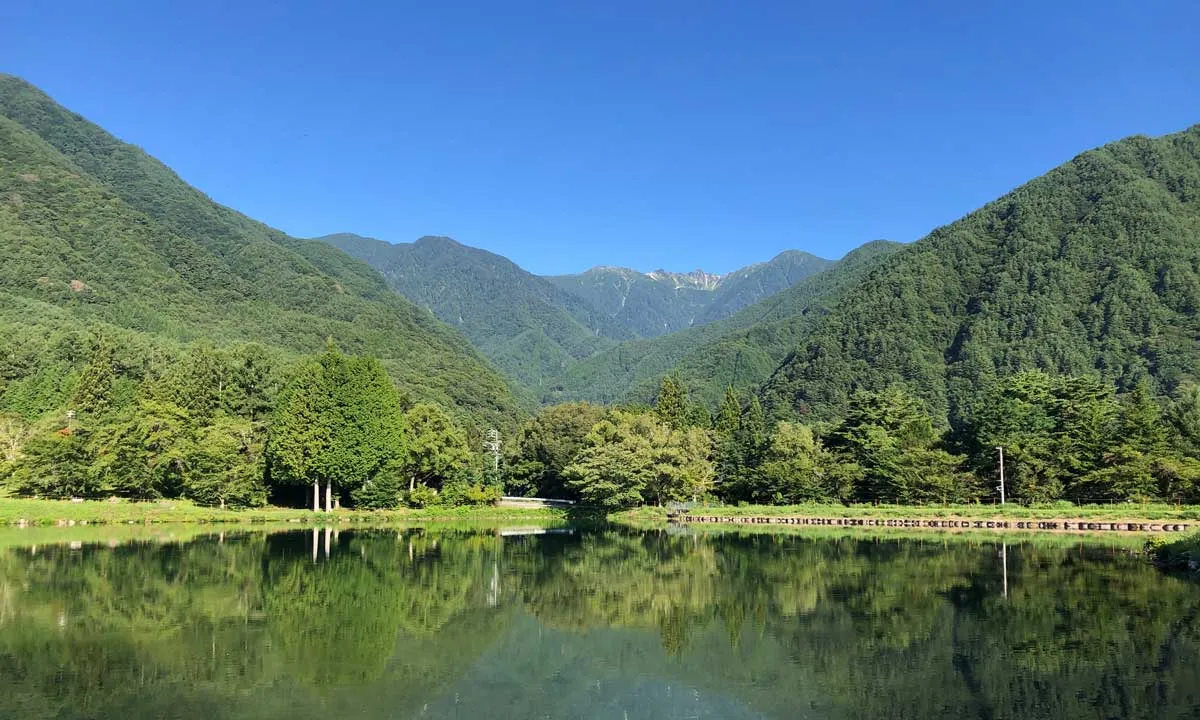
After lunch, head toward Kozenji Temple, a historic Tendai Buddhist temple founded in the 9th century. It’s about a
20-minute walk (1.5 km) from Komagane Farms.
On the way, you’ll pass Komagaike Pond, where you can enjoy alpine mountain views reflected on the water. Nearby
terraced rice paddies evoke the timeless beauty of Japan’s rural mountain villages.
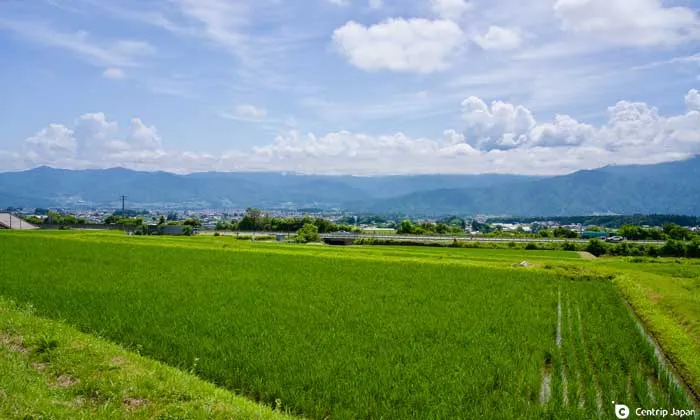 Scenic countryside views typical of Japanese mountain villages
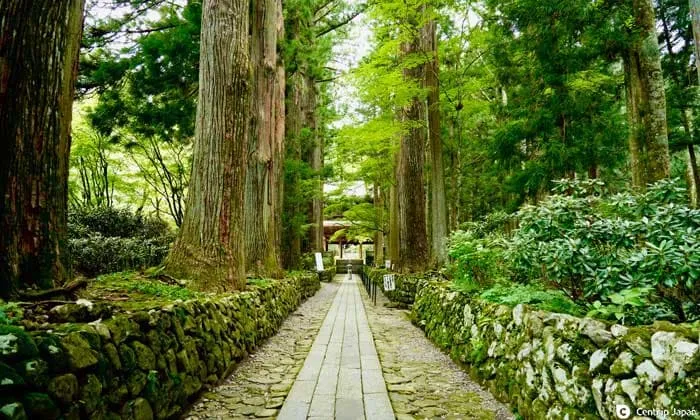 Approach to Kozenji Temple, lined with towering old trees
Kozenji Temple is also known for the legend of Hayataro, a sacred dog who sacrificed himself to save villagers from a fearsome monster. Revered for his bravery, Hayataro is enshrined at the temple as a guardian spirit.
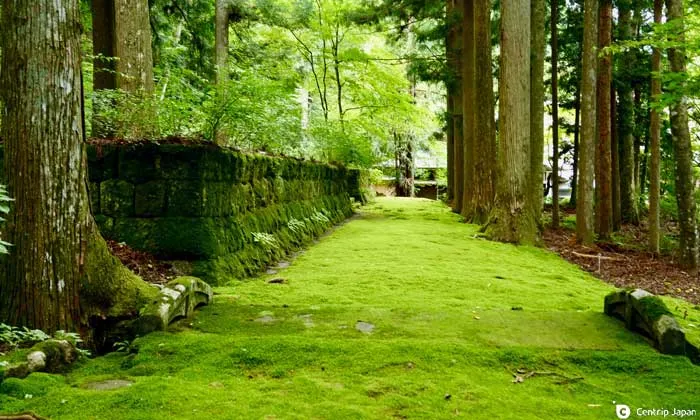 The temple grounds are famous for their lush moss gardens
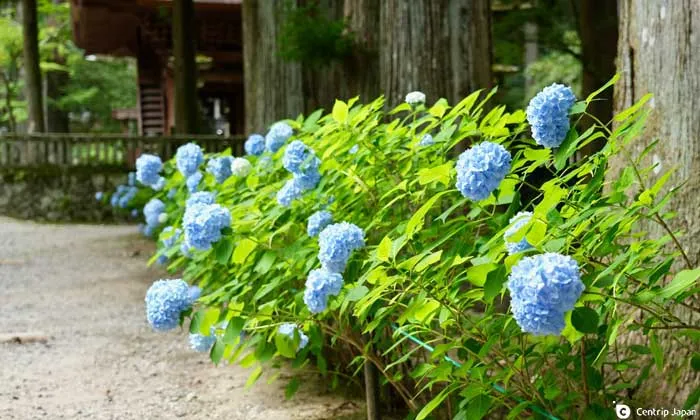 Hydrangeas are in full bloom in early July
Pass through the temple gate and you’ll find a long, straight path flanked by towering cedar trees. The bright green
moss blanketing the stone walls on either side adds to the serene atmosphere.
From spring’s weeping cherry blossoms and summer’s hydrangeas to the vibrant colors of fall, Kozenji offers something
beautiful in every season.
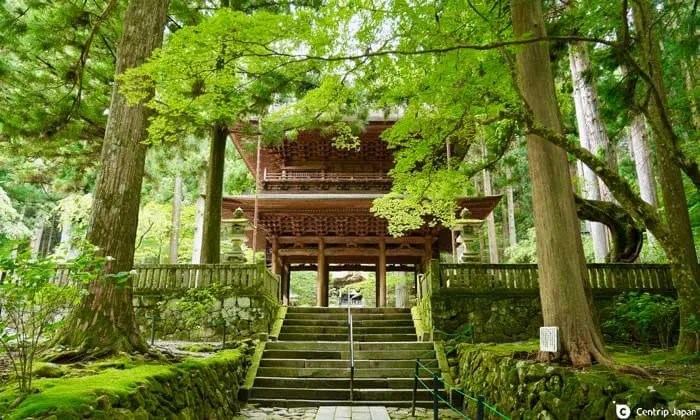 Majestic Sanmon Gate
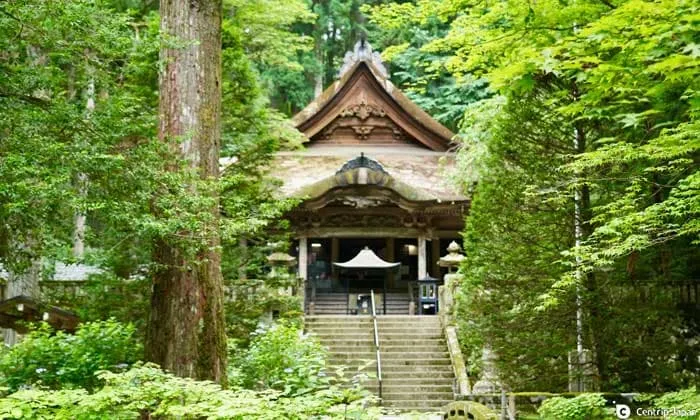 Main hall beyond the Sanmon
Beyond the Sanmon Gate, you’ll see the main hall, and to the left, nestled among the cedars, stands a beautiful three-tiered pagoda built in the early 19th century. At its base is a statue of Hayataro, watching over the sacred grounds.
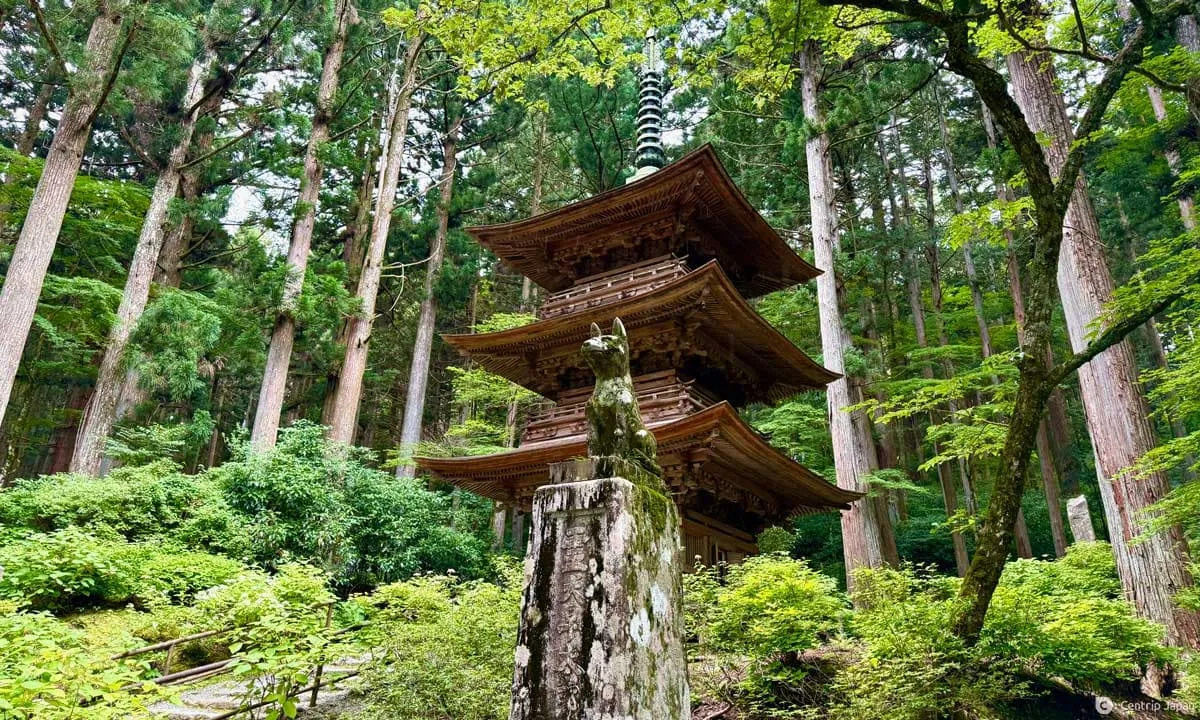 The three-story pagoda and Hayataro statue
CLASUWA No Mori: A Must-Visit Spot Opened in 2024
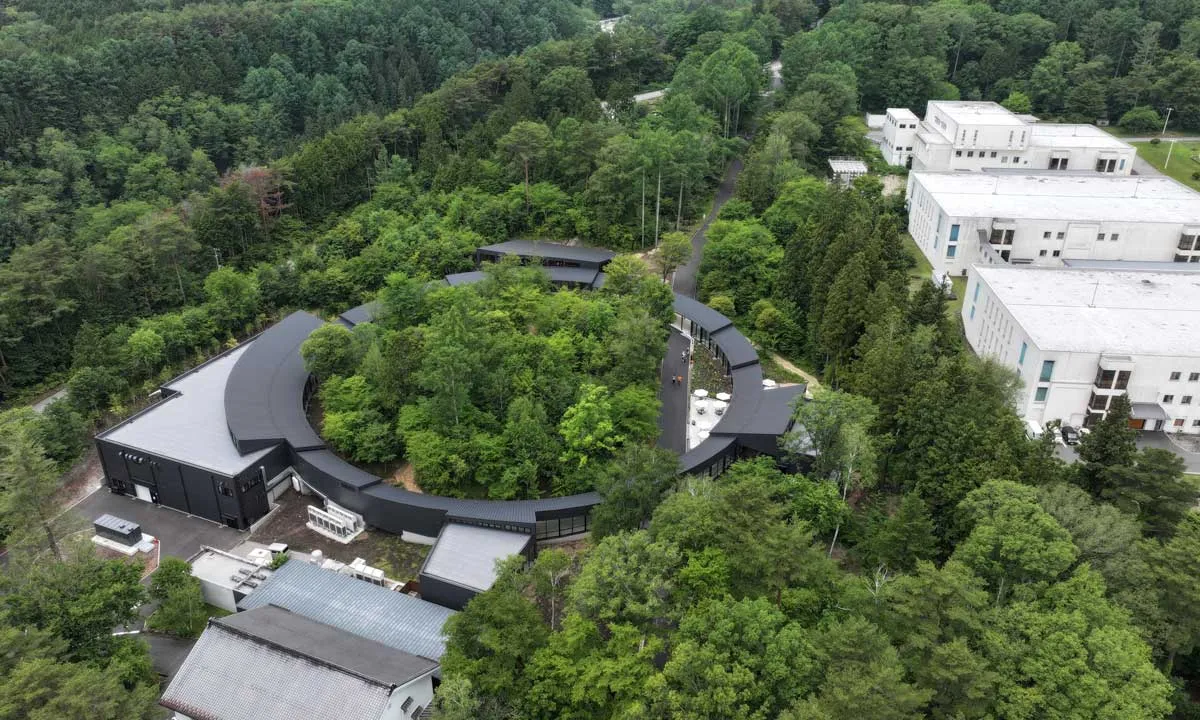
About 6 km south of Kozenji lies CLASUWA No Mori, a brand-new attraction that celebrated its grand opening in 2024. A limited-time Sansan Bus (operating July 4 to December 1, 2025) conveniently connects Komagane Farms, Kozenji, and CLASUWA No Mori.
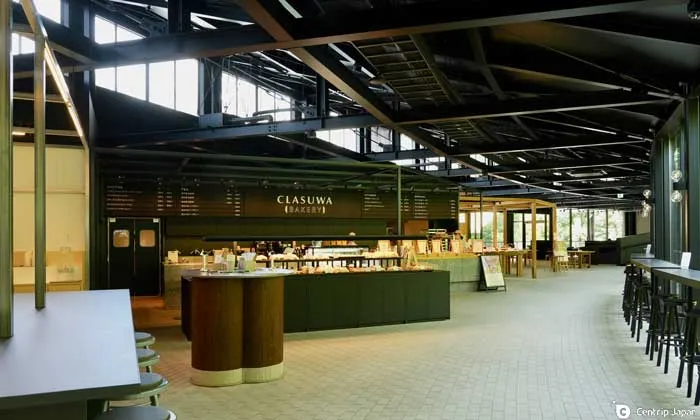 Freshly baked original breads from the on-site bakery
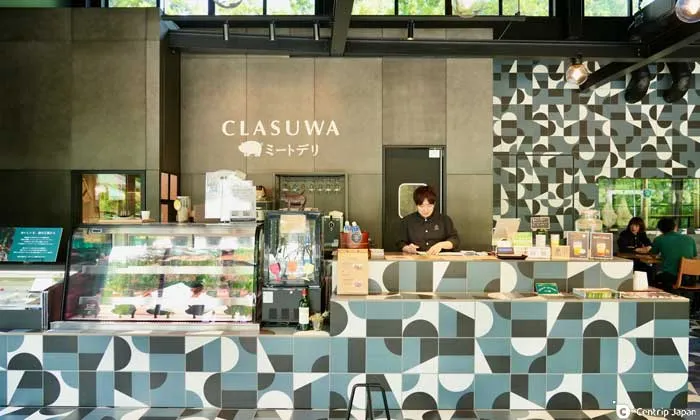 Meat deli featuring house-made ham and sausage from local pork
Operated by the herbal liqueur brand Yomeishu, CLASUWA No Mori is a multi-purpose facility designed around the themes of delicious, fun, and healthy living. Its central feature, the Forest Ring, is a donut-shaped structure (approx. 80 meters in diameter) housing a café, bakery, and market.
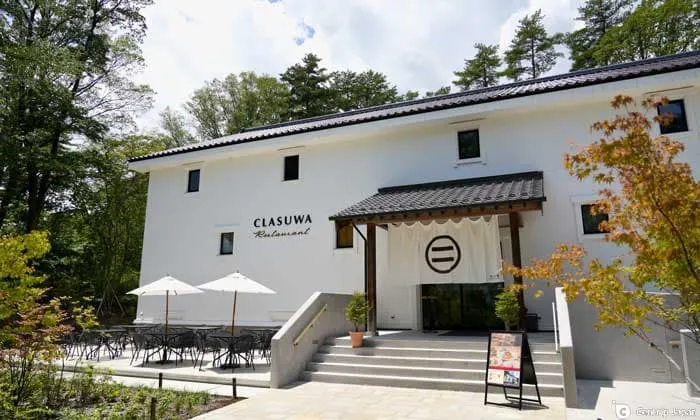 Restaurant offering creative dishes that highlight natural flavors
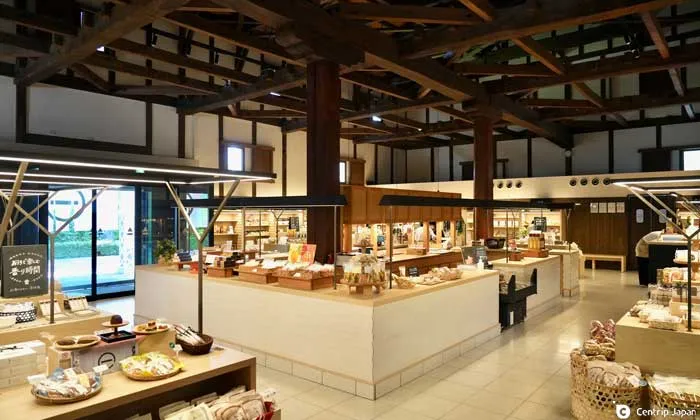 Shop stocked with lifestyle products that enrich everyday living
Beyond the Forest Ring, the spacious grounds also include relocated and refurbished historic storehouses, now serving
as shops and restaurants. With so much to explore, even 1–2 hours may not be enough to take it all in. Surrounded by
lush nature, it’s a relaxing and refined space to enjoy at a leisurely pace.
The facility is also pet-friendly, and many visitors bring their dogs along.
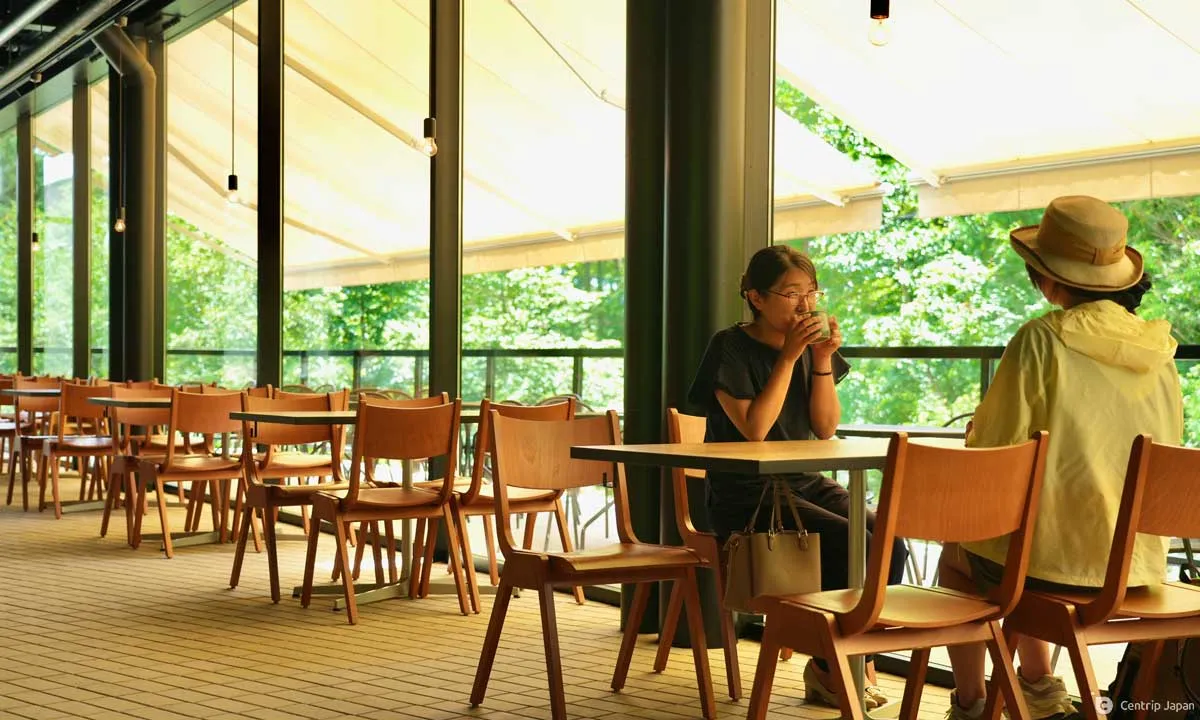 Café space with forest views through every window
At the back of the forest stands a two-story, octagonal wooden tower that looks like it belongs in a fairytale. Called the Forest Library, this library is home to around 1,000 books curated around its central concept. Step inside, and you’ll be greeted by the warm scent of wood and a stunningly photogenic, 360-degree interior. It’s the kind of place where time slips away.
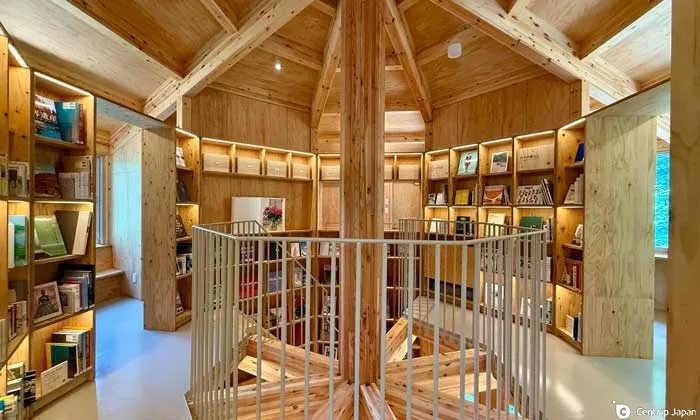 Inside the Forest Library
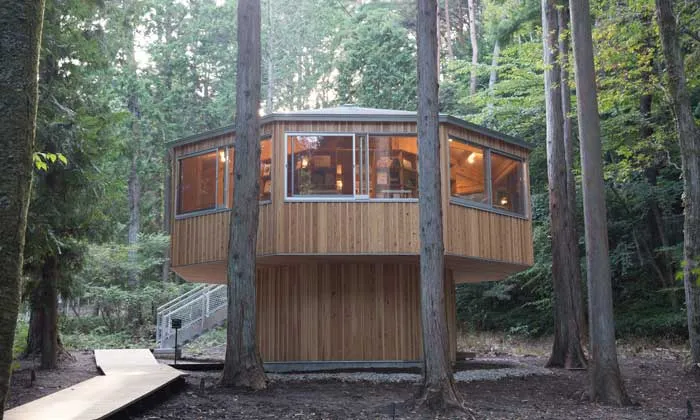 A charming wooden building tucked away in the woods
Yomeishu Komagane Factory: Sharing Japan’s Herbal Liqueur Tradition
Located within the grounds of CLASUWA No Mori, the Yomeishu Komagane Factory continues to produce Japan’s beloved herbal liqueur, a tradition dating back hundreds of years. Even today, the liqueur is crafted here using time-honored methods, with a variety of medicinal herbs steeped over the course of about two months.
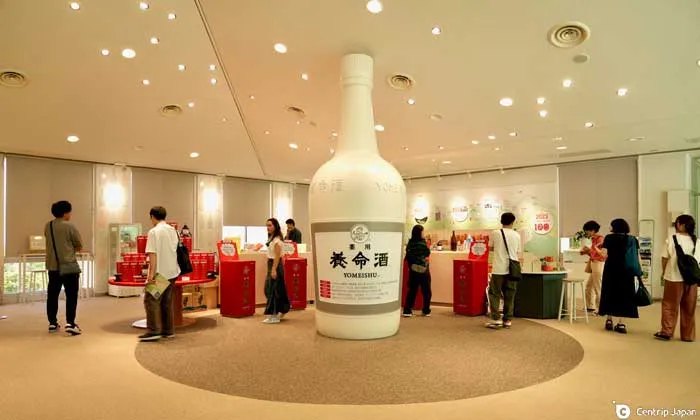 Yomeishu, Japan’s iconic herbal liqueur
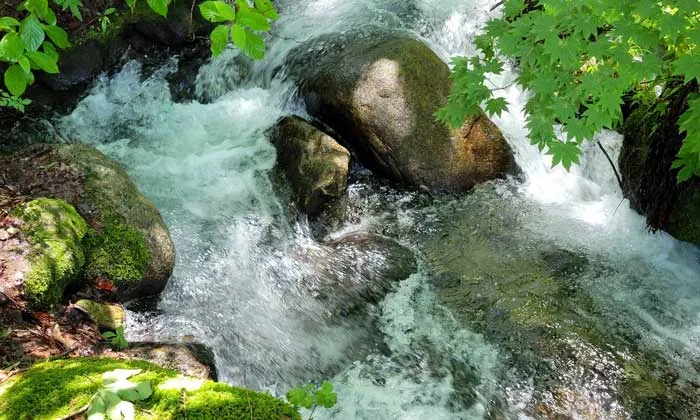 A clear stream flows through the factory grounds
Built in 1972 to take advantage of Komagane’s clean air and pure water, this is the only factory that makes Yomeishu. The tranquil grounds still feature flowing streams and native forest.
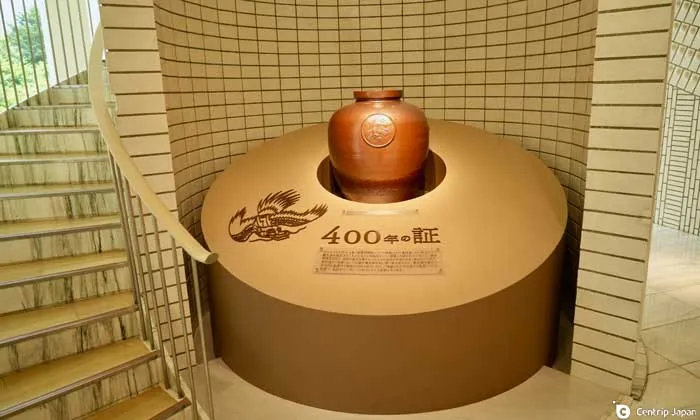 Cherished in Japan for over 400 years
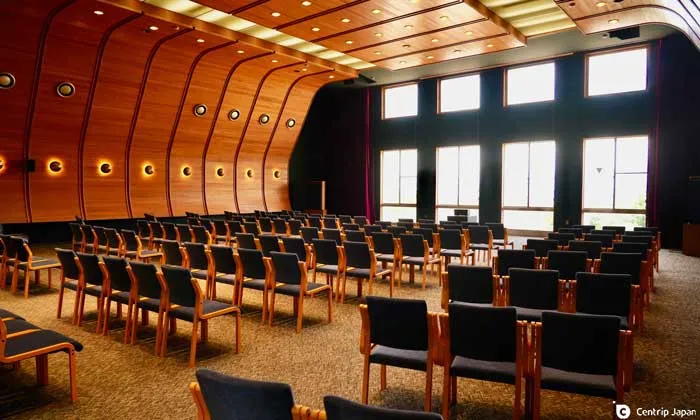 Theater presentation on Yomeishu’s history and benefits
Factory tours are free and don’t require reservations. After a short video in a concert hall–like theater, you’re free to explore the facility and learn about the history and ingredients of Yomeishu at your own pace.
Several viewing points offer glimpses of the production line through glass panels—watching the bottling process in action is surprisingly captivating.
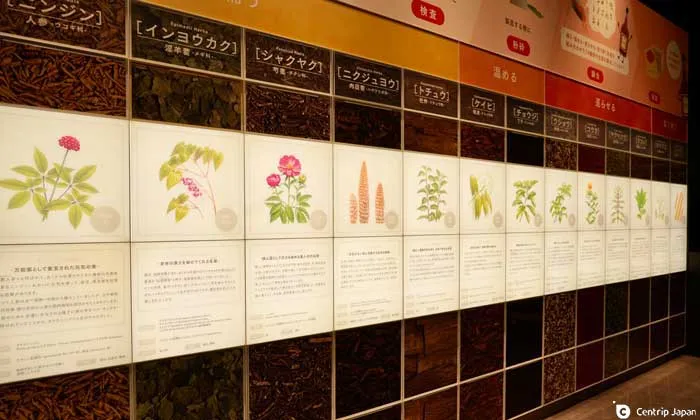 Display of medicinal herbs used in Yomeishu
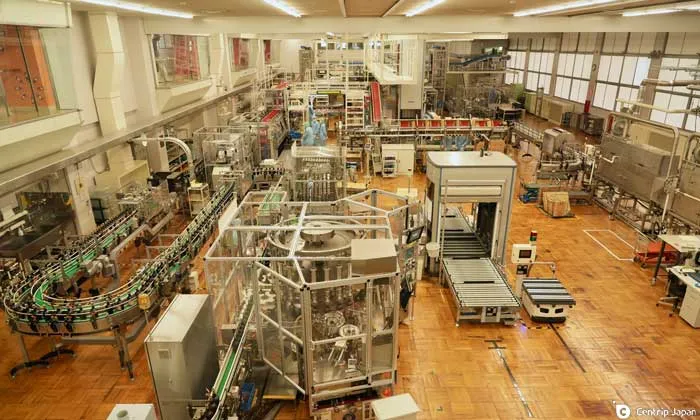 View of the production line through glass (No photos allowed; production may be paused)
Hayataro Onsen: Unwind in a Healing Hot Spring
After a full day in Komagane Highlands, there’s no better way to relax than soaking in the soothing waters of Hayataro Onsen, named after the sacred dog enshrined at Kozenji temple.
With its famously silky water, this onsen is also known as The Bath for Beautiful Skin.
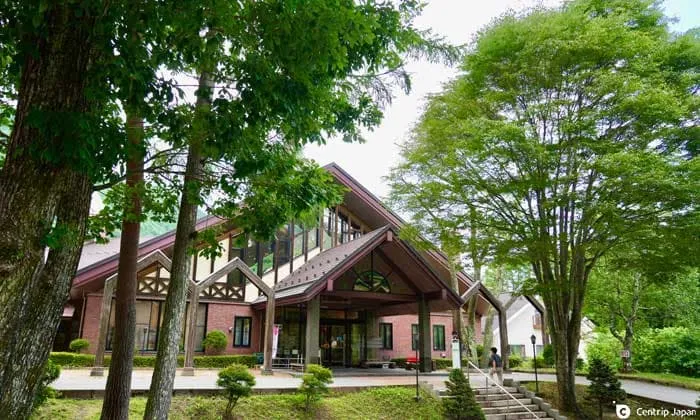 Exterior of Komakusa-no-yu
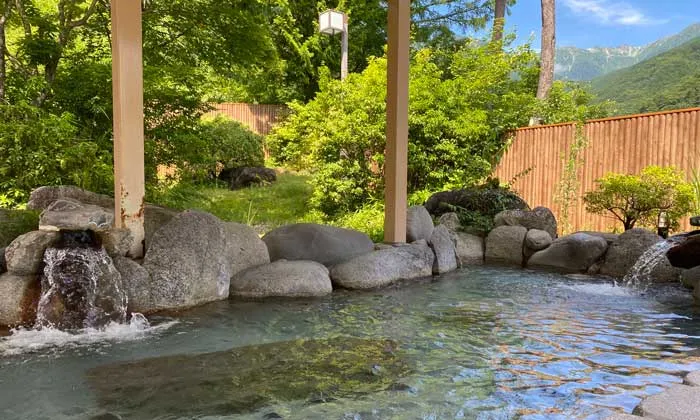 Outdoor bath with views of the Central Alps
The Hayataro Onsen area features a range of inns offering unique hot spring baths and local cuisine, as well as day-use facilities for casual visitors. Komakusa-no-yu, just a 10-minute walk from Komagane Farms, is a popular stop after exploring the highlands or Senjojiki Cirque. The views of the Central Alps from the open-air bath are absolutely breathtaking.
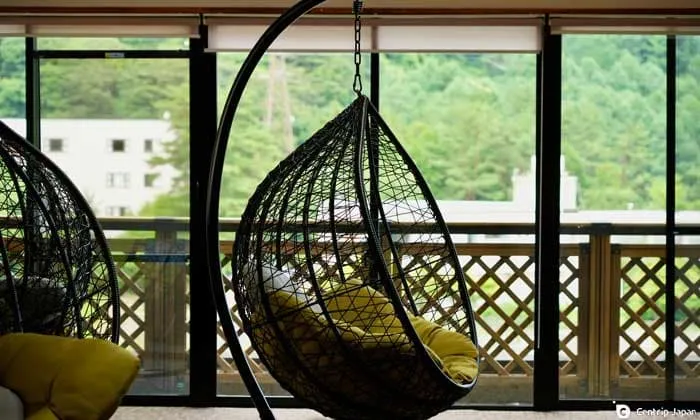 Plenty of space to relax after your bath
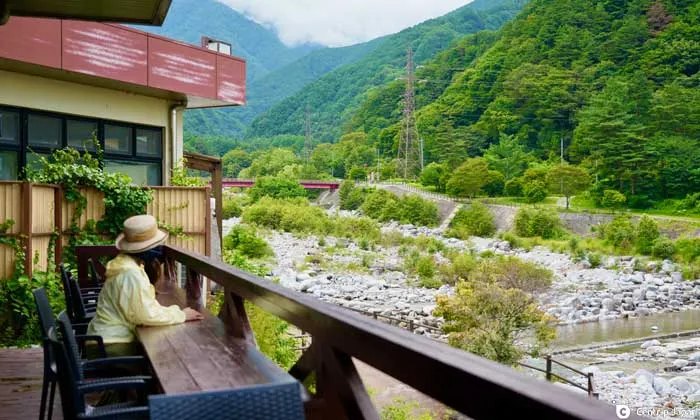 Terrace seating with alpine views
Senjojiki Cirque: One of Japan’s Most Spectacular Natural Landscapes
Senjojiki Cirque is one of Japan’s premier natural wonders. Located at an altitude of about 2,600 meters, it’s best visited in the morning, when the skies are typically clearest.
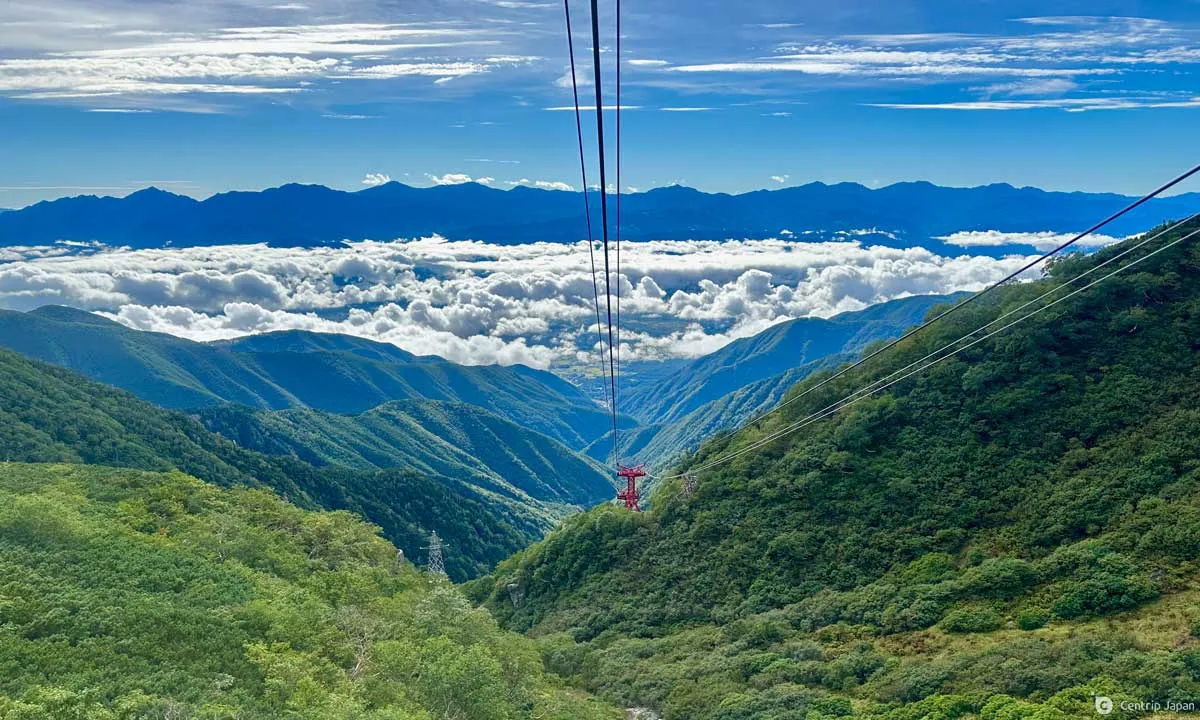 Ascend directly to Senjojiki Station (2,612m) via ropeway
Private cars are not allowed on the road to the ropeway station. You’ll need to take a bus from Suganodai Bus Center to Shirabidaira Station, then ride the ropeway up to Senjojiki Station.
Depending on the season, you may be surprised to find long lines of eager hikers lining up for bus tickets before dawn. To beat the crowds, we recommend sightseeing in Komagane the day before, staying overnight at Hayataro Onsen, and catching the first bus the next morning.
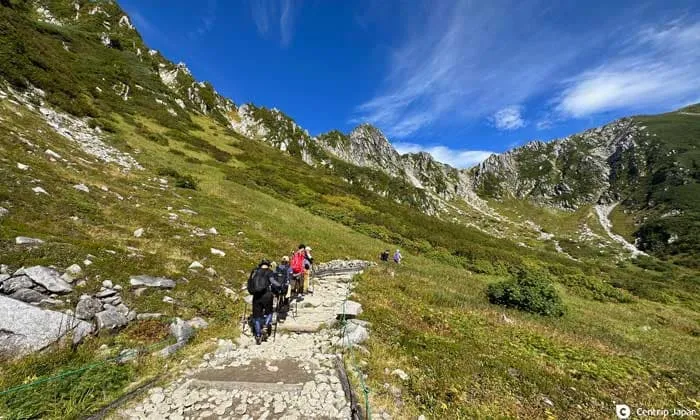 Hike amid towering cirque walls
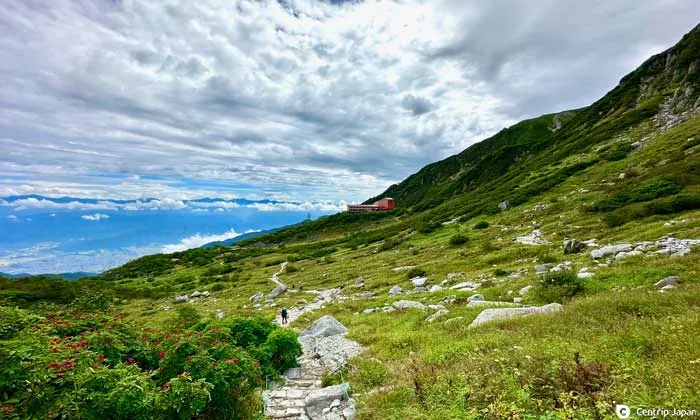 The walking trail takes just under an hour to loop
At the summit, you’ll find Hotel Senjojiki, Japan’s highest-elevation hotel. After exploring the 40–50 minute loop trail through the cirque, unwind with lunch or dessert at the hotel’s 2612 Café, which overlooks the spectacular alpine scenery.
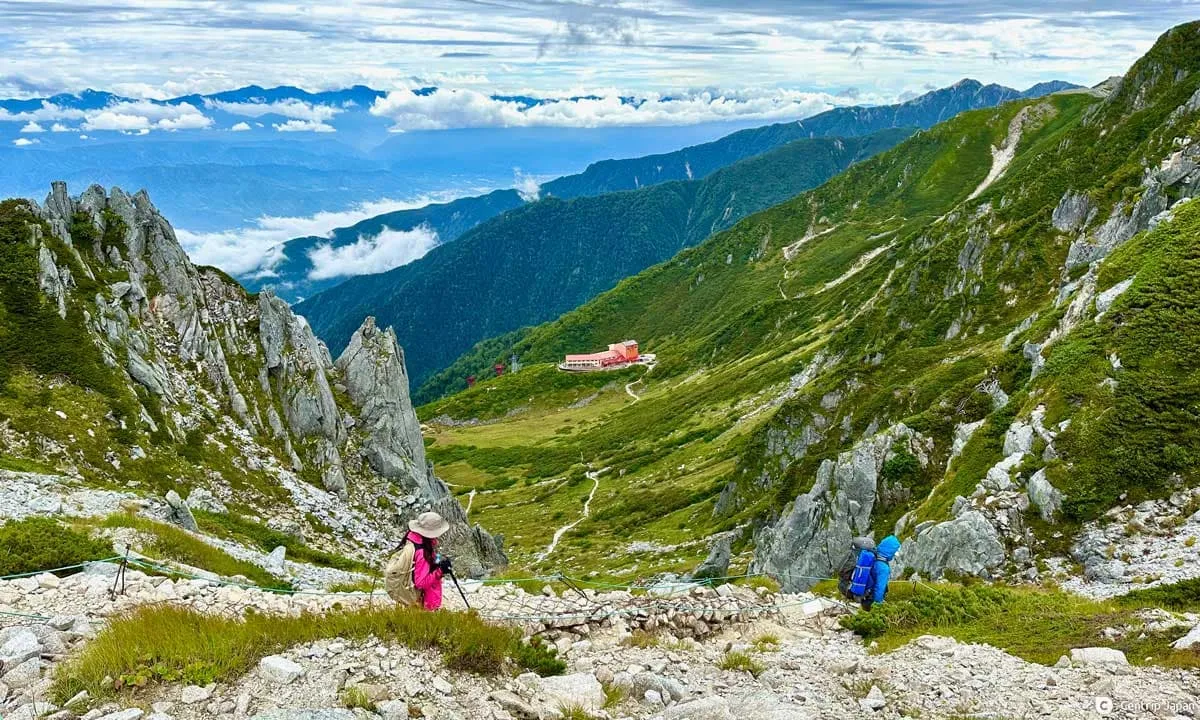 Hotel Senjojiki seen from the trail
Mount Kisokomagatake, located beyond the cirque, is one of Japan’s 100 Famous Mountains. Thanks to the ropeway access, it’s an ideal introduction to the Japanese Alps for beginner hikers (except in winter). However, it’s still a proper mountain trail, so be sure to wear hiking boots and bring rain gear.
Wrap-up
Komagane is just under 1 hour and 45 minutes by car from Nagoya via the Chuo Expressway. From the Komagane IC, it’s only a short drive to Komagane Farms.
With many of the area’s top attractions located around Farms and the Suganodai Bus Center, Komagane is perfect for a half-day or full-day sightseeing trip. Why not make it the next stop on your driving adventure?
