

 home
home


 |
Centrip Editorial Board
|
Centrip Editorial Board
Fukui Prefecture: Stunning Scenic Drive Along the Sea of Japan's Coast

Fukui Prefecture, where the deep blue of the Sea of Japan meets mountain peaks draped in green, and sea and land share their bounty in perfect harmony. For travelers eager to discover an authentic side of Japan still hidden from the crowds, Fukui is a treasure waiting to be found. From Nagoya—the southern gateway to the prefecture—it’s just a scenic 1 hour and 10 minutes by train to Tsuruga Station.
The Fukui Prefecture drive plan proposed in this article involves renting a car at Tsuruga Station, heading north along the beautiful coastal drive route of the Sea of Japan to spend a night at a hot spring resort famous for its exceptional water quality. The following day, you'll visit scenic spots where you can feel the great outdoors and explore Sengoku period (late 15th to late 16th century) ruins before arriving at Fukui Station on the Hokuriku Shinkansen line.
Day 1
Starting Your Drive from Tsuruga Station
Tsuruga is approximately in the center of Fukui Prefecture. Facing the Sea of Japan, it has prospered since ancient times as a major transportation hub for both land and sea routes. Tsuruga Station serves as the gateway terminal for visitors coming to Fukui Prefecture from Nagoya and Osaka. There are several car rental agencies around the station, making it easy for train travelers to rent a car immediately upon arrival.
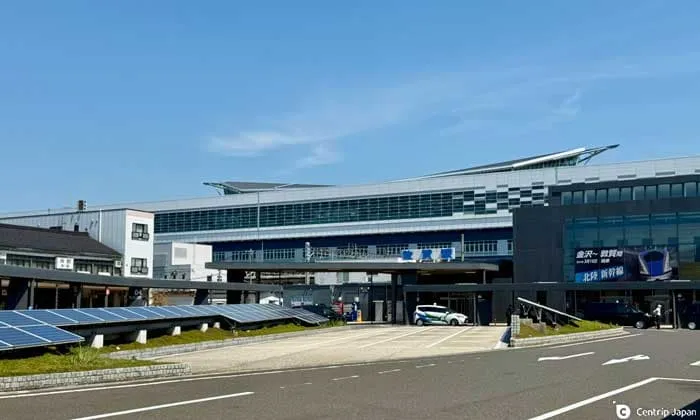 Tsuruga Station serves as the gateway to Fukui
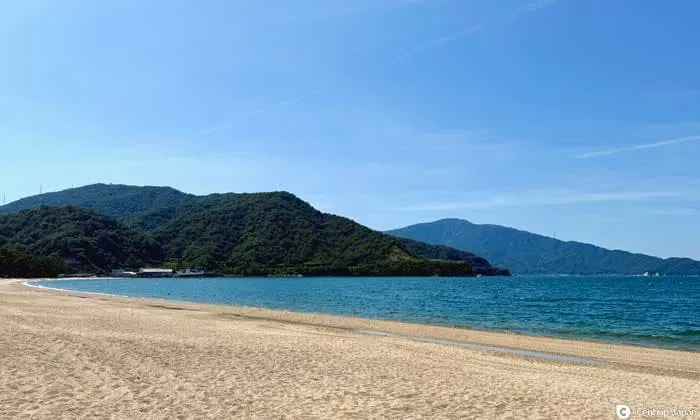 The beautiful white beach of Kehi no Matsubara, where you can enjoy swimming in
summer
The beautiful white beach of Kehi no Matsubara, where you can enjoy swimming in
summer
Before beginning your drive, let's make a brief stop at Kehi no Matsubara. About 10 minutes by car from Tsuruga Station, this scenic spot features beautiful white sand and pine trees facing the Sea of Japan.
Exploring the History of Kitamaebune in Minami-Echizen Town
The next destination, Minami-Echizen Town, is about 30 minutes away by car. You'll head north along the coastal road while gazing at the calm waters of Tsuruga Bay. The Shiokaze Line and National Route 305, which serve as the stage for this drive, are roads that trace picturesque Japanese fishing villages and coastal scenic spots, including Kochogate, making the drive itself an attractive course that becomes a destination in its own right.
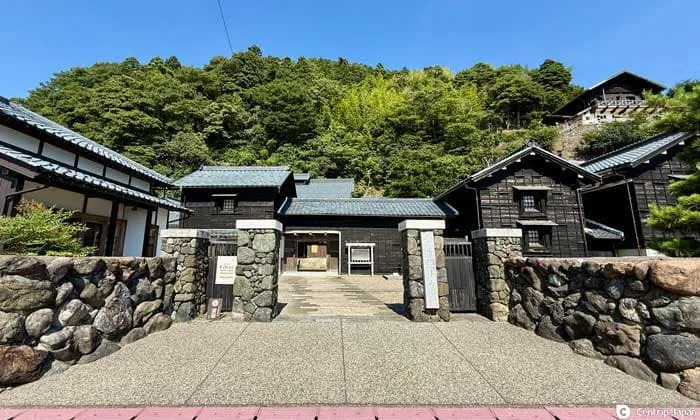 The Ukon House of the Kitamaebune shipowners, facing Route 305
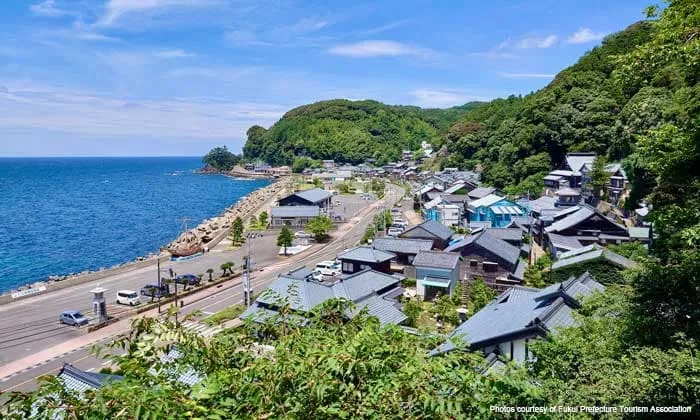 From the Western-style building of the Ukon family on the hilltop, you can overlook the
Sea of Japan and the shipowner's settlement
From the Western-style building of the Ukon family on the hilltop, you can overlook the
Sea of Japan and the shipowner's settlement
Minami-Echizen Town once flourished as a port of call for Kitamaebune vessels. Kitamaebune were large merchant ships that operated in the Sea of Japan from the Edo period through the Meiji period (mid-18th to late 19th century), traveling between Hokkaido and the Tohoku region and Osaka, the commercial center, while stopping at various ports to buy and sell diverse goods.
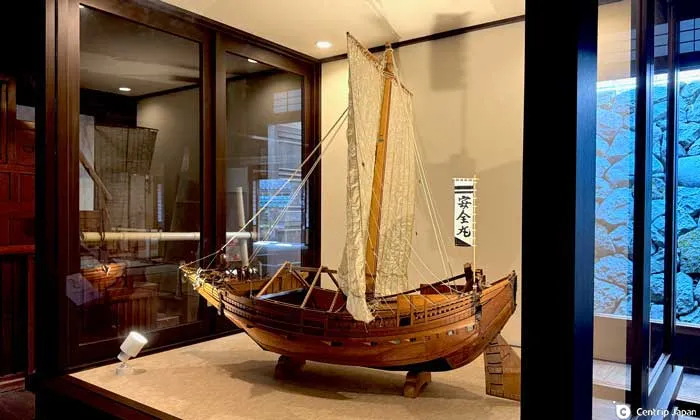 A model of a Kitamaebune ship is displayed inside the mansion
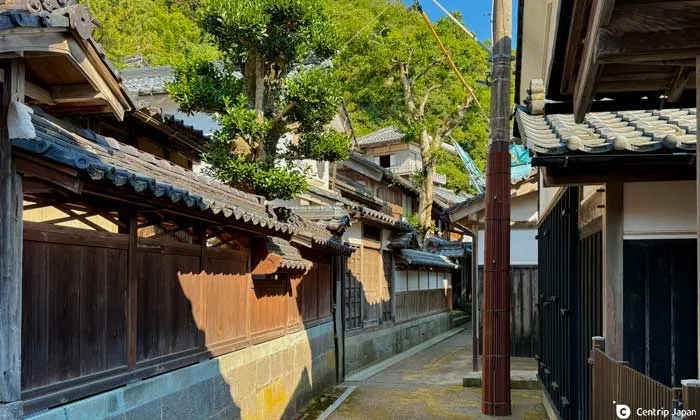 The Nakamura Family building on Kono Kitamaebune shipowner's street
Along the coast of Minami-Echizen Town, the mansions of the prestigious merchant families Ukon and Nakamura, who prospered through Kitamaebune trade, remain preserved and are open to the public. The interiors feature luxurious construction, allowing visitors to glimpse the lifestyle and prosperity of that era.
Seafood Bowl Lunch at a Coastal Restaurant
The areas around Minami-Echizen Town and adjacent Echizen Town are particularly known for their thriving fishing industry. Near the fishing ports, you'll find numerous restaurants serving fresh seafood caught at local harbors.
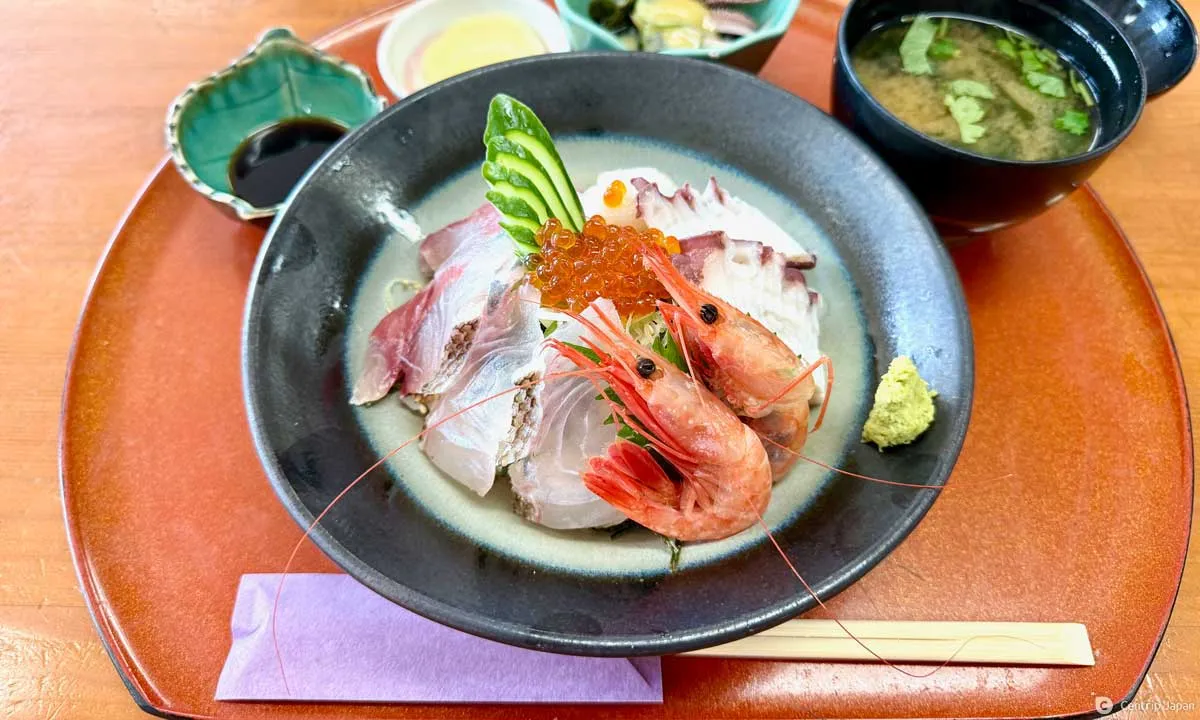 Fresh seafood unique to locations near fishing ports
Seafood bowls featuring seasonal fish are highly recommended. During Echizen crab season (November 6 to March 20 each year), you can also enjoy luxurious crab dishes.
Driving the Isaribi Kaido
After lunch, let's also stop by the nearby Roadside Station Echizen. This roadside station sells fresh seafood and regional crafts, and includes the attached Echizen Crab Museum, where you can learn about and enjoy Echizen crab. There's also a day-trip hot spring facility nearby, with outdoor baths offering panoramic views of the Sea of Japan that are particularly popular (the sunset views are absolutely spectacular!).
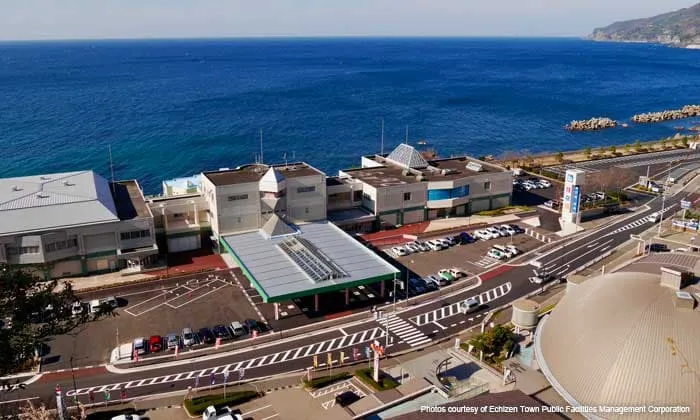 Roadside Station Echizen and Echizen Crab Museum
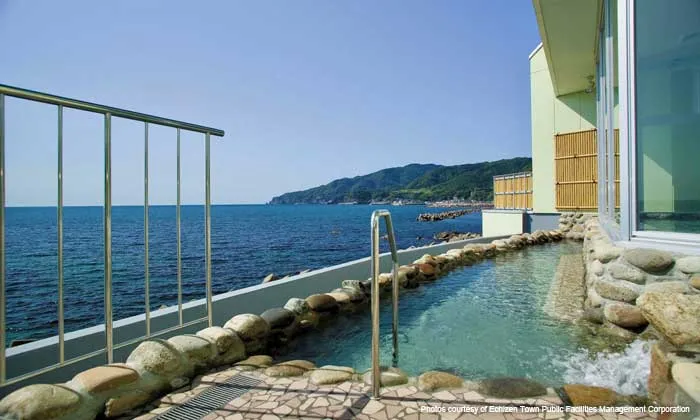 Isaribi Open-air Bath, popular for its scenic views
Continue your drive north along Route 305.
Along National Highway 305, you'll find Kocho-mon gate, a massive rock arch carved by the sea over countless years. It was once known as a natural tunnel because the national highway used to pass directly beneath it. Now, a new tunnel has been built, so vehicles and people can no longer pass through the arch. However, you can still approach it on foot to see the beautiful contrast between the Sea of Japan, the towering cliffs, and the rich greenery, making it a popular photo spot.
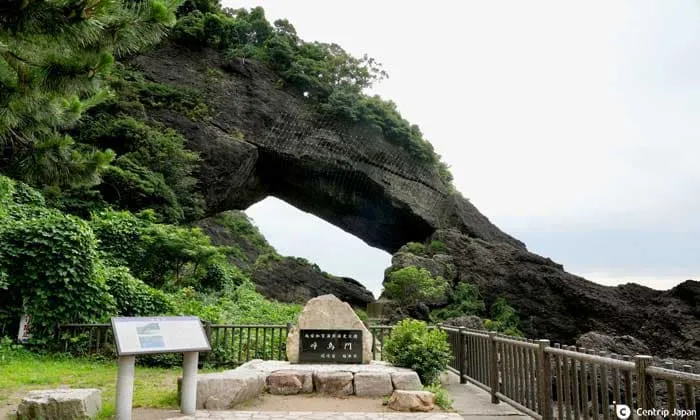 Natural tunnel Kocho-mon gate formed by the sea
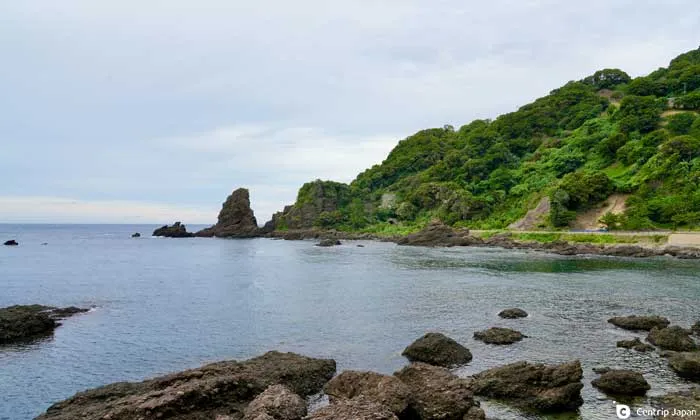 Scenic photo opportunities abound Kocho-mon gate
Route 305, which runs north-south along this coast, is also called the Isaribi Kaido (Fishermen’s Fire Road) because of the stunning sunsets over the Sea of Japan and the glowing lights of fishing boats that appear on the water after dusk. This ever-changing coastline at sunset promises to be an unforgettable highlight of your Japan trip.
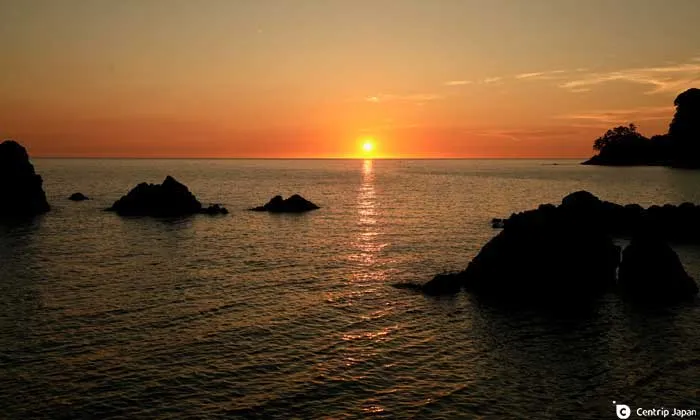 The Echizen coast is one of Japan's premier sunset viewing spots
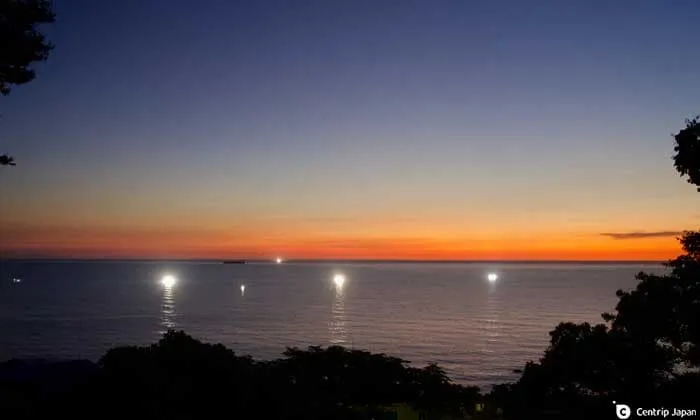 Mystical fishing fires float on the sea as the sun sets (mainly from May to November)
Awara Onsen
After a day of driving, head to Awara Onsen for your overnight stay. This hot spring resort is one of the most famous in the Hokuriku region and has long attracted celebrities and cultural figures seeking its healing waters.
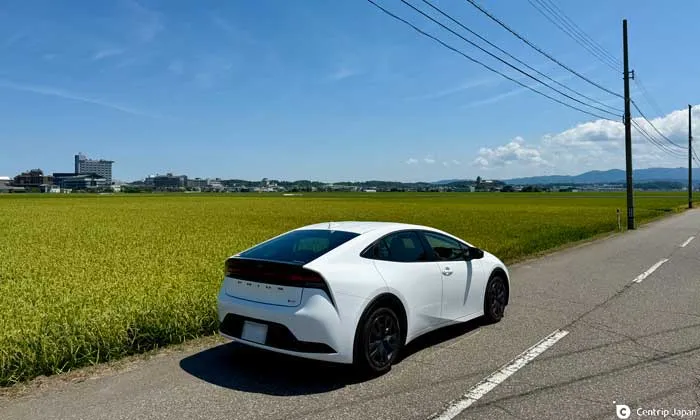 Traditional inns nestled beyond beautiful rural fields in Awara Onsen
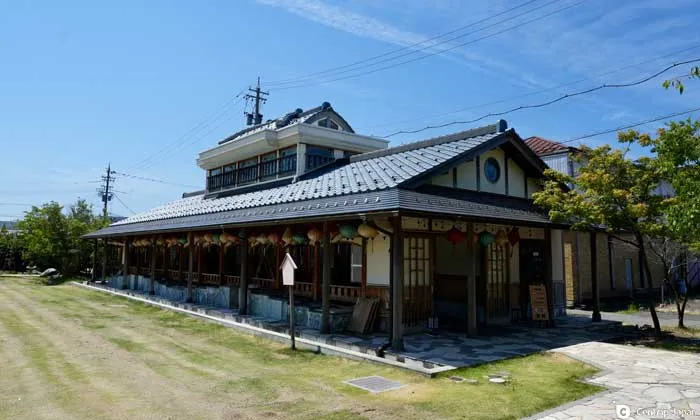 Enjoy the Ashi-yu foot baths
A unique feature of Awara Onsen is its more than 70 hot spring sources, with each inn boasting its own private well. Over 20 inns, ranging from luxury to casual, offer guests distinctive hot spring experiences. Alongside relaxing in the baths, sampling exquisite Japanese cuisine made with fresh seasonal ingredients from Fukui is an essential part of the visit. Let the hot springs heal your travel fatigue, so you're ready for the next day.
Day 2
Tojinbo Cliffs and Oshima Island
Start your second day at Tojinbo, one of the Hokuriku region’s most famous scenic spots, about 15 minutes by car from Awara Onsen.
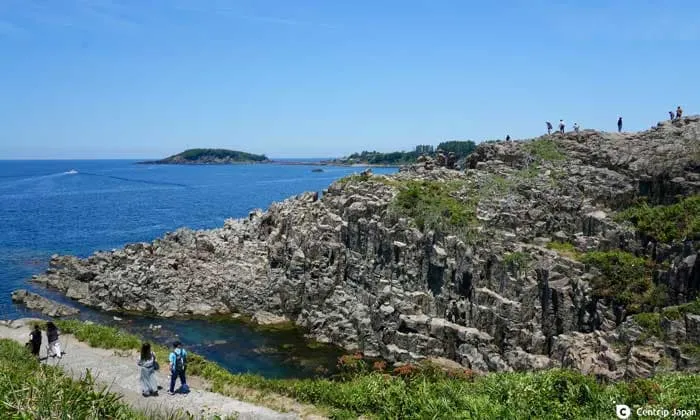 The breathtaking Tojinbo Cliffs
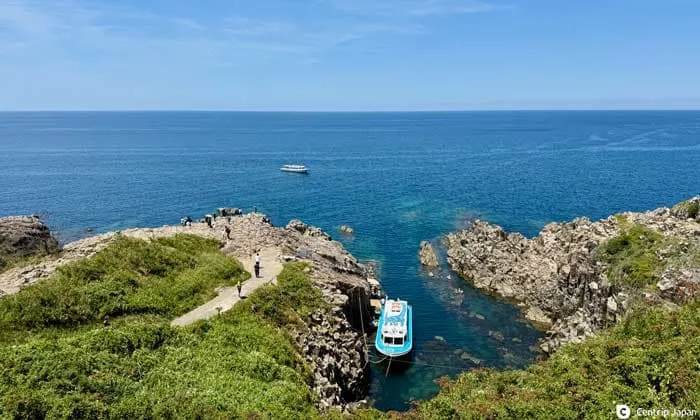 Sightseeing boats depart from the rocky shore
Known for its dramatic columnar basalt cliffs, Tojinbo has also been a popular filming location for suspense dramas. The cliffs rise steeply above the sea, and peering down can make your legs go weak. Enjoy the raw power of nature, but be careful as you explore.
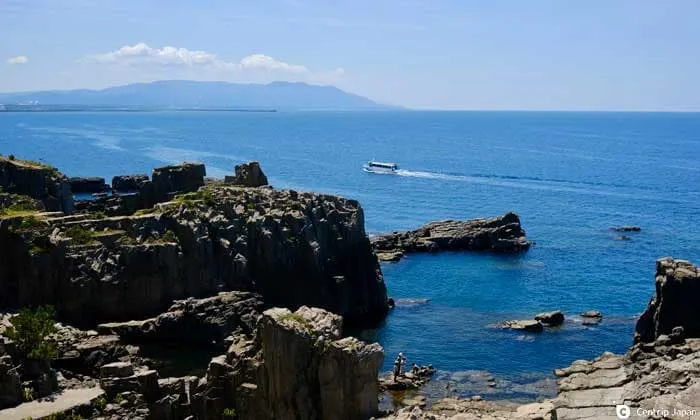 White wakes of sightseeing boats stretch across the blue sea
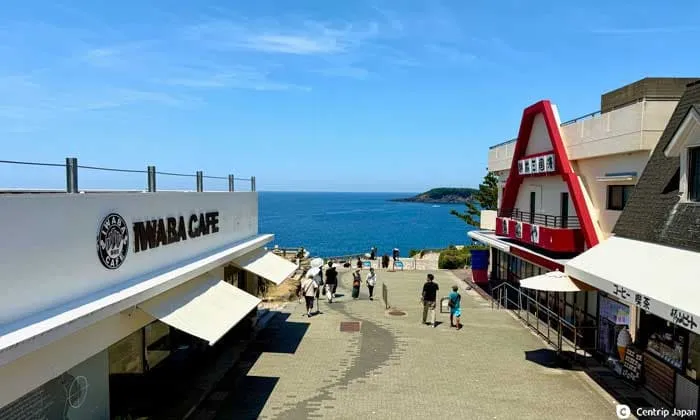 You'll find many souvenir shops at Tojinbo.
On calm days, sightseeing boats depart from Tojinbo, offering thrilling views of the cliffs from the sea. Nearby streets feature seafood restaurants, trendy cafes, and souvenir shops, attracting many tourists.
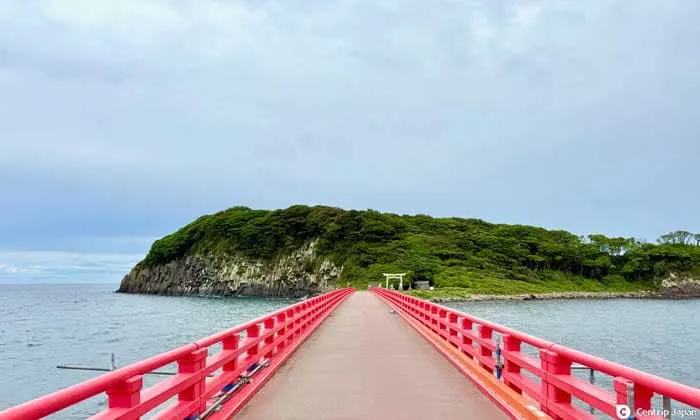 Oshima Island, accessible via a red bridge from the coast
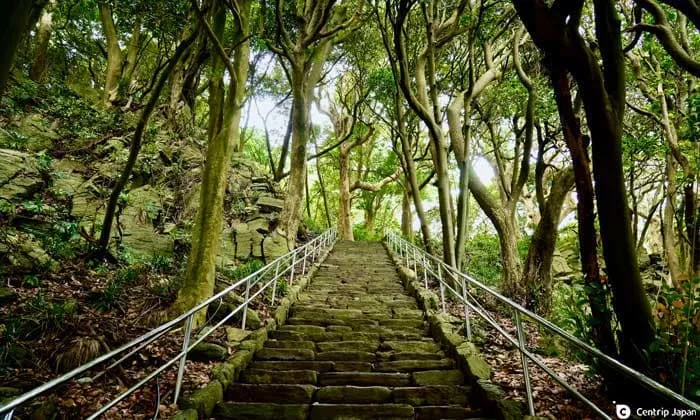 Mysterious island covered with dense primeval forest
A short drive from Tojinbo is Oshima Island, a small island off the Echizen coast connected by a striking red bridge. The island’s ancient forest has long been cherished by locals as a place of mystery and spiritual significance.
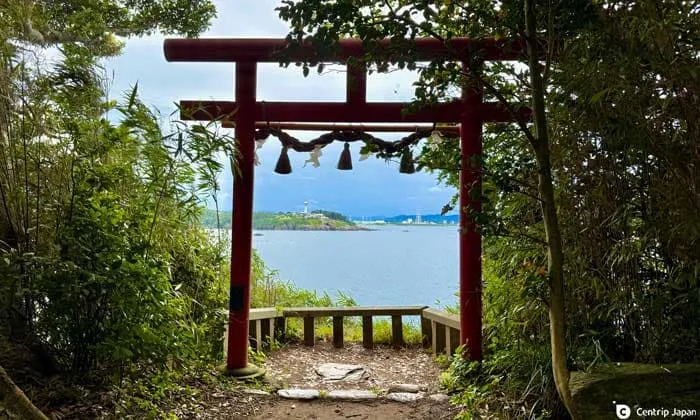 View of Tojinbo from the torii gate at Ominato Shrine
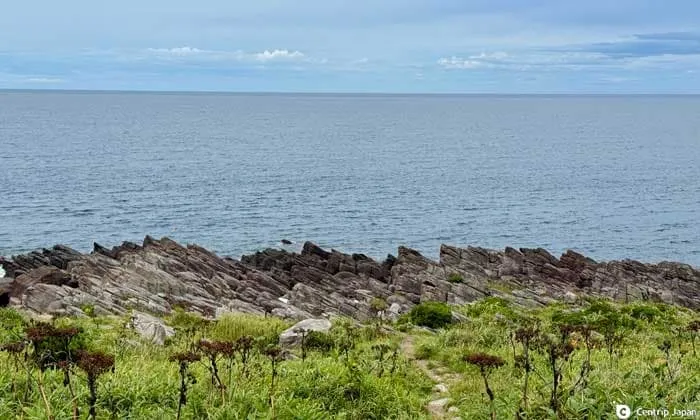 Distinctive columnar basalt cliffs
At the heart of the island lies Ominato Shrine, long revered by fishermen and sailors as the protector of the sea. Visitors from across Japan now write their wishes on wooden plaques (ema) at the shrine.
A walking trail circles the island in about an hour, offering views of the basalt cliffs and distant Tojinbo. The quiet charm here provides a peaceful contrast to the lively atmosphere of Tojinbo.
Day 2 Lunch: Fukui’s Famous Fried Tofu Dish
For food lovers interested in regional specialties, Fukui’s signature abura-age (fried tofu) dishes are a must-try.
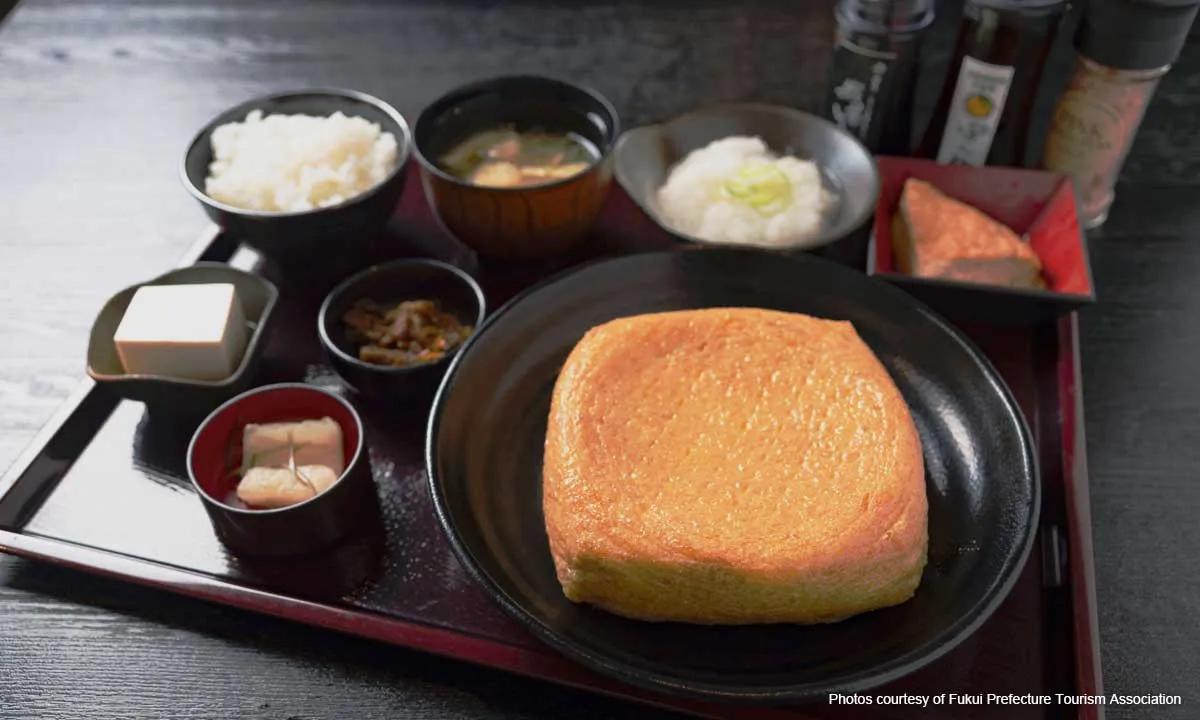 Thick, hearty fried tofu dishes from Fukui
Abura-age is a traditional Japanese food made by deep-frying thinly sliced tofu. It is prized for being high in protein and low in calories. Fukui boasts the highest consumption of abura-age in Japan. The local version is much thicker than typical abura-age, with a presence akin to a steak. Be sure to enjoy this beloved regional specialty.
Ichijodani Asakura Ruins and Museum
On the outskirts of Fukui City, the Ichijodani Asakura Ruins offer a fascinating glimpse into Fukui’s history. It’s about a one-hour drive from Tojinbo.
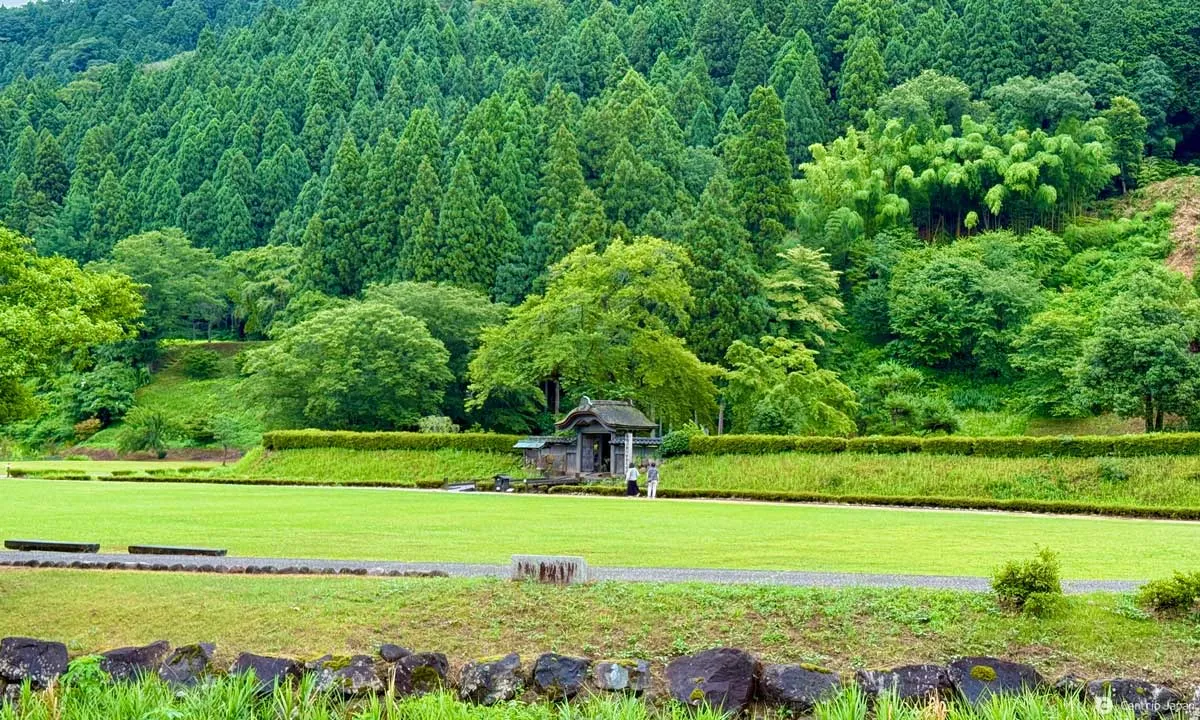 The iconic Kara-mon gate, symbol of the Ichijodani Asakura Ruins
The Asakura clan ruled this area for about 100 years during the Sengoku period before falling to Oda Nobunaga’s forces. At its peak, the castle town attracted many nobles and cultural figures fleeing unrest in Kyoto. After Nobunaga’s attack, the town burned and was never rebuilt, remaining buried underground as a phantom city.
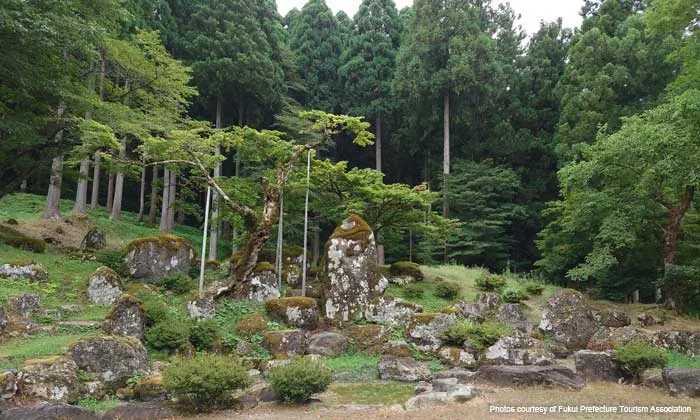 Valuable ruins of the prosperous Asakura clan
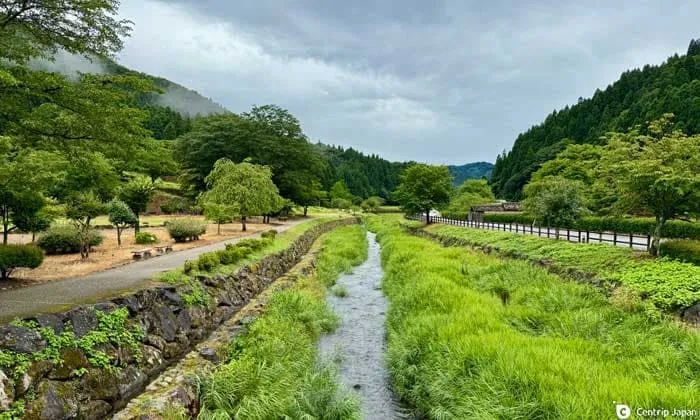 The surrounding lush nature is also a highlight
Foundations of buildings, roads, gardens, and samurai residences have been excavated and preserved in their original locations. Four exquisite gardens at the site showcase the finest of Japanese garden culture, all designated as Special Places of Scenic Beauty. The entire Ichijodani Asakura Ruins area is recognized as a Special Place of Scenic Beauty, Special Historic Site, and Important Cultural Property — a rare triple designation alongside sites like Kyoto’s Kinkaku-ji and Hiroshima’s Itsukushima Shrine.
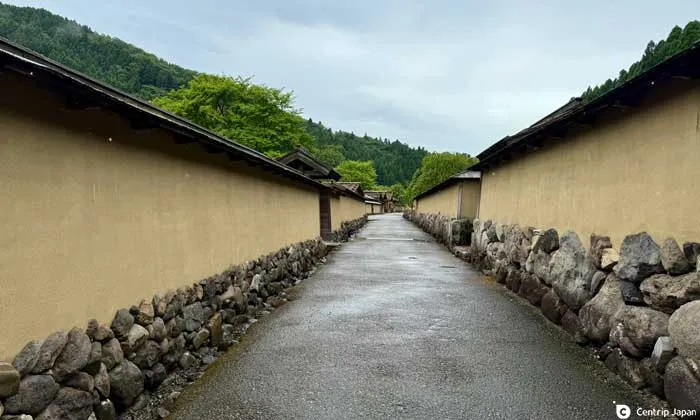 Restored townscape stretches orderly for about 200 meters
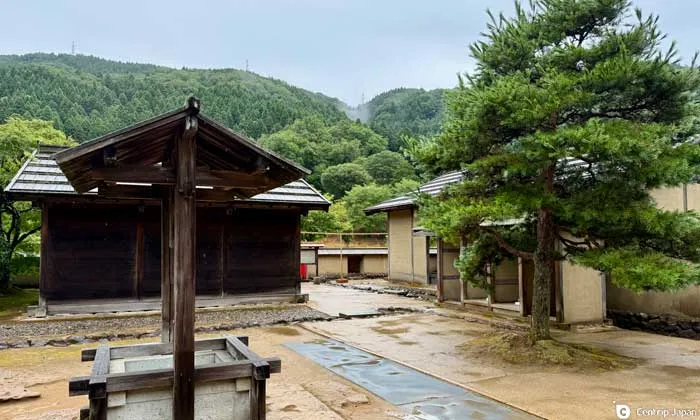 Reconstructed samurai residences showcase period life
The restored townscape, including samurai residences rebuilt to their historical appearance, is also a must-see.
Just a five-minute drive from the ruins is the Ichijodani Asakura Family Site Museum, opened in 2022, where valuable excavation artifacts are displayed. The museum offers multilingual information, making it welcoming for international visitors.
Recommended Souvenirs from Fukui
A unique souvenir from Fukui is dinosaur-themed goods.
About 80% of dinosaur fossils discovered in Japan have been found in Fukui Prefecture.Though not covered in this itinerary, the Fukui Prefectural Dinosaur Museum is world-renowned. You’ll spot dinosaur statues dressed in lab coats in many places, from Tojinbo to highway rest areas. Dinosaur-themed souvenirs suitable for all ages are widely available.
Fukui is also famous for traditional crafts that showcase delicate Japanese handiwork, such as Echizen Washi paper and Echizen lacquerware. Around Fukui Station, souvenir shops offer a rich selection of these crafts — perfect for finding a special memento of your trip. The prefecture is also a major hub for eyeglass frames, producing over 90% of Japan’s domestic supply, and fun treats shaped like eyeglasses have become a popular souvenir.
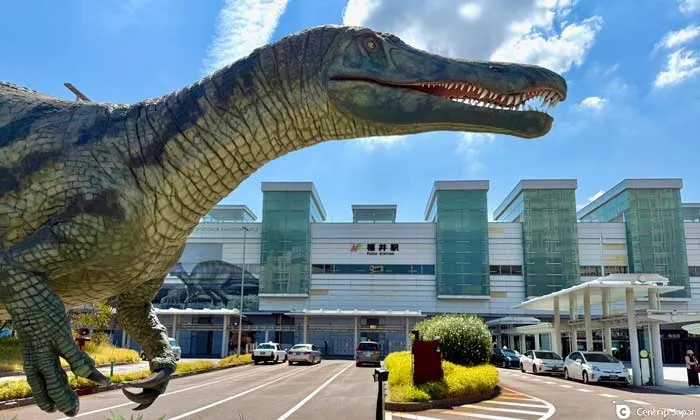 The impressive giant dinosaur monument that stands out in Fukui
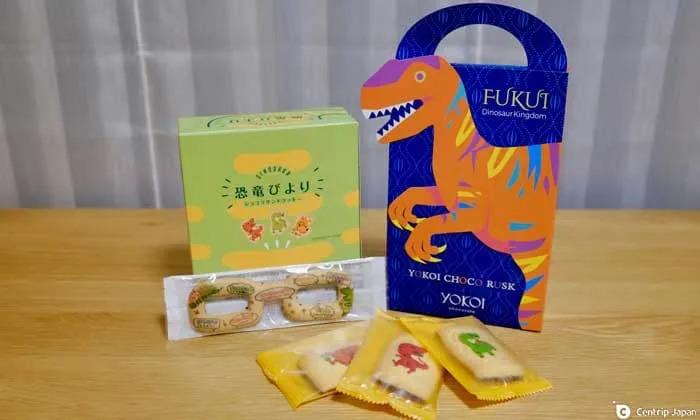 From classic dinosaur-themed snacks to glasses-shaped confectionery
Wrap-up
From the Ichijodani Asakura Ruins, it’s about a 25-minute drive to Fukui Station, where you’ll return your rental car and conclude your driving tour. This coastal journey along the Sea of Japan reveals the charms of Japan that you won’t find by visiting just the major cities on the Pacific side, like Tokyo, Nagoya, and Osaka. With easy access from Chubu Centrair International Airport, Fukui Prefecture is well worth a visit — we hope you enjoy your trip!
