

 home
home


 |
Centrip Editorial Board
|
Centrip Editorial Board
Omihachiman: Nagoya Day-trip Sightseeing Series 1

Table of Contents
Have you heard of Omihachiman?
Omihachiman developed as a commercial city in the modern era by the famous Merchants of Omi. Strategically situated on the shore of Lake Biwa, Japan's largest lake, the city is host to a beautiful historical townscape, used in the filming of historical dramas, and the birthplace of Japan's oldest beef brand, Omigyu (Omi Beef). Come and immerse yourself in the city's history, have a taste of wagyu (Japanese beef) and wagashi (Japanese sweets), along with sake, while taking photographs of the exquisite scenery. Here you will find all of the allure of Japan condensed into a one-of-a-kind experience. Be sure to add Omihachiman to your list of must-see spots on your next trip to Japan.
How do I go to Omihachiman from Nagoya?
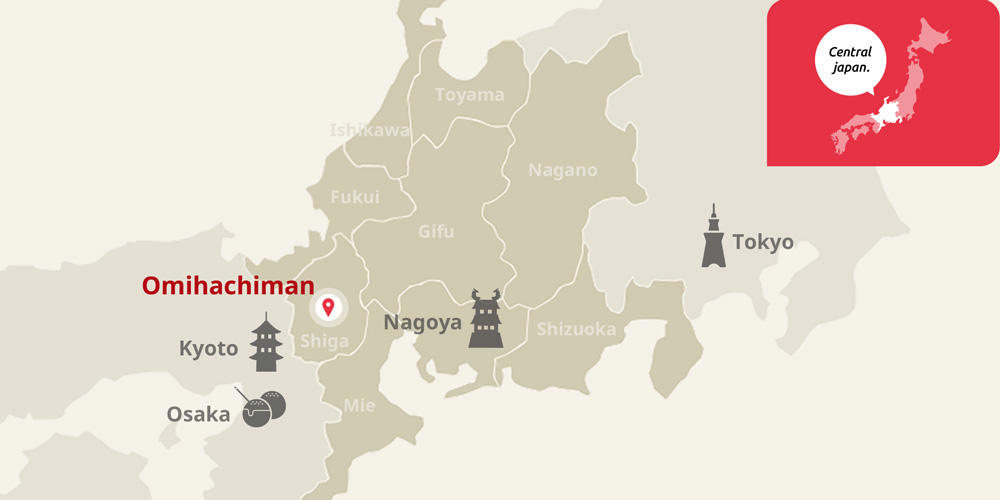
Located between Osaka and Nagoya, Omihachiman is easily reached within a day. From Nagoya station, take the JR Tokaido Main Line to Maibara station, then change to the JR Lake Biwa line and ride for about 20mins until you arrive at Omihachiman station. Altogether it should take about 1 hour and 40 minutes, and cost ¥1,980. If you want to use the Shinkansen (bullet train) it will shorten your travel to about 1 hour for an extra cost of ¥1,760.
What sightseeing does Omihachiman have on offer?
1. Hachimanyama Ropeway
Start your sightseeing tour on the Hachimanyama Ropeway. The ropeway is located about 3km from Omihachiman station, on the path to Himure Hachiman-gu Shrine. If you want to avoid the 30min walk, we recommend taking a bus or taxi. From Omihachiman station, go out the north exit, head to pick-up zone No. 6, and take the bus heading for Choumeiji.
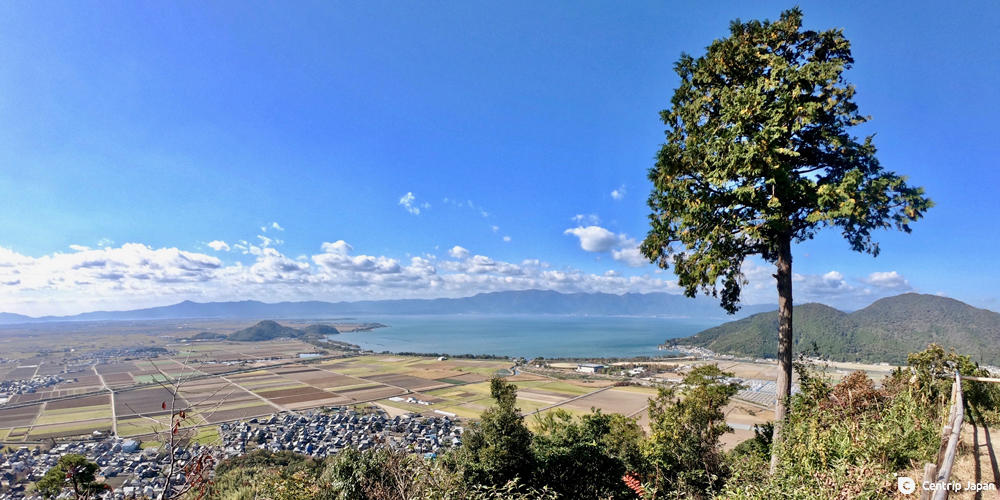
The ropeway will take you to the mountain peak in about 4mins and costs about ¥950. While not very high, a beautiful vista of Lake Biwa, framed by the Japanese countryside awaits you at Hachimanyama's summit
2. Murakumogosho Zuiryu-ji
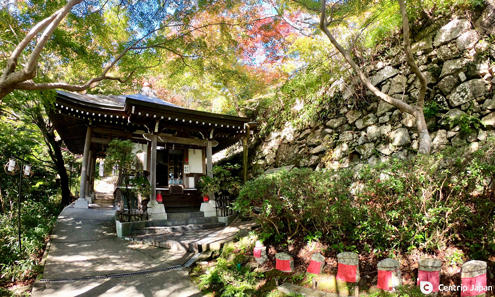
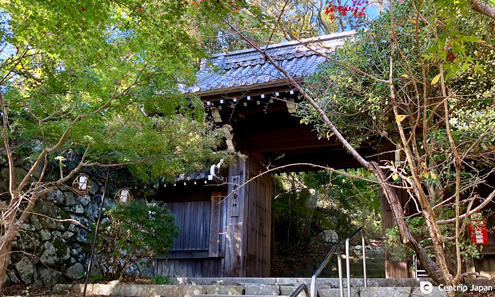
When you disembark at the summit of Hachimanyama, you'll be on the path to Zuiryu-ji temple.
On the former site of Hachimanyama Castle, Murakumogosho Zuiryu-ji Temple was built for the nephew of Toyotomi Hideyoshi, Toyotomi Hidetsugu, who was ordered to commit hara-kiri (ritual suicide) by his uncle. Please take a moment to learn the history and pay your respects when visiting the temple. A tour of the temple grounds takes from 30 minutes to an hour, with the ropeway running every 15 minutes.
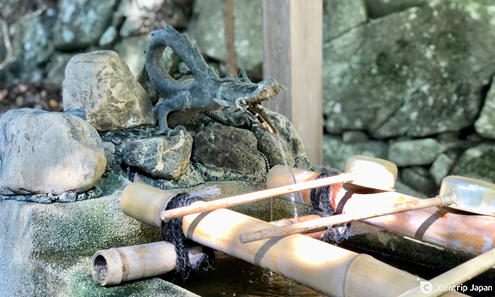
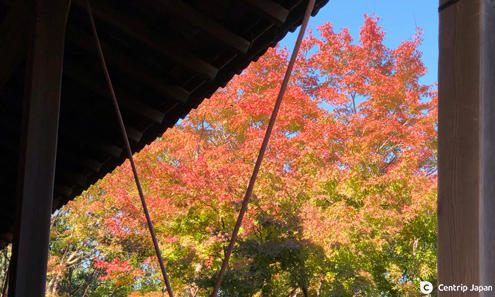
Zuiryu-ji Temple is also famous for its autumn leaves.
3. Himure Hachiman-gu Shrine
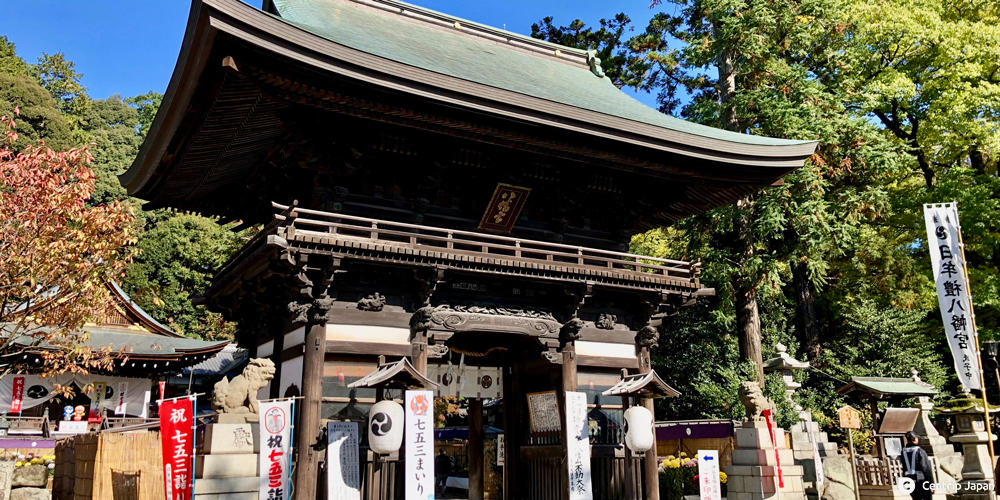
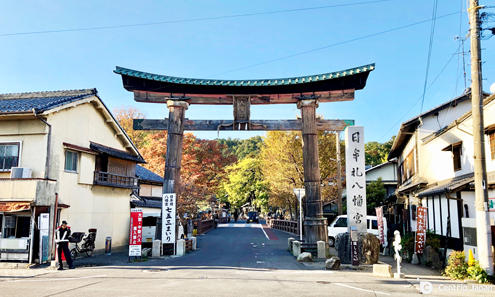
After getting off the ropeway at Hachimanyama, exit Sanroku station, and you'll see the gate of Himure Hachiman-gu Shrine.
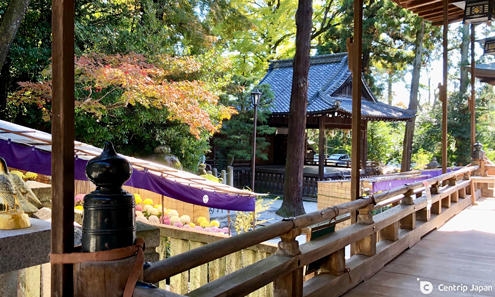
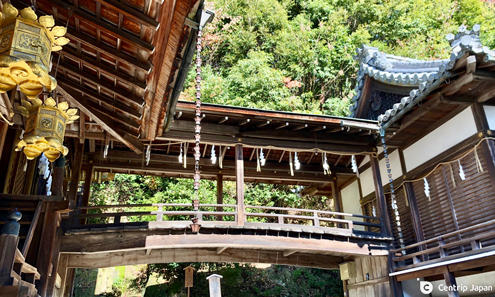
Himure Hachiman-gu Shrine is one of the 44,000 Hachiman-gu shrines in Japan. The blessings of Hachiman deity are generally associated with warding off misfortune and bringing good luck. At Himure Hachiman-gu, however, local Omi merchants have long held deep faith in the shrine, venerating it as a protector of prosperous business as well.
4. Taneya Himure-no-ya
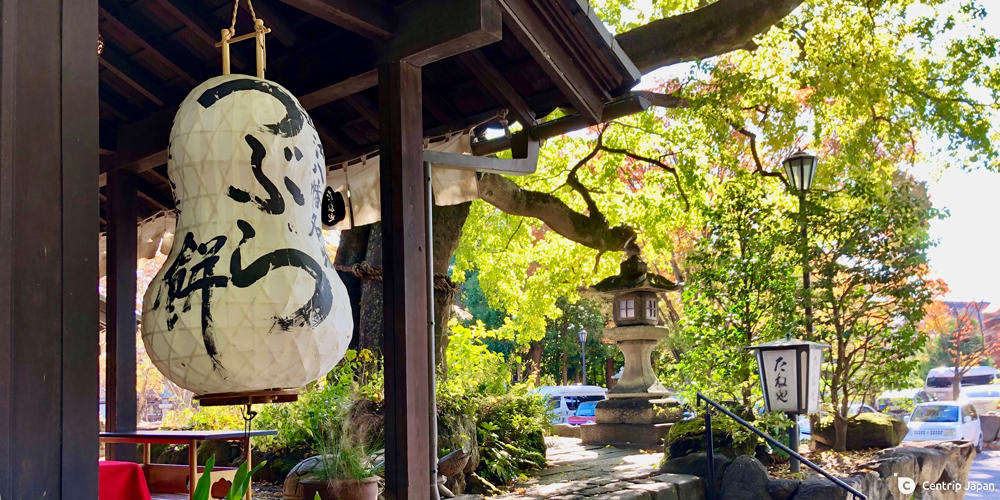
Within the grounds of Himure Hachiman-gu Shrine is Taneya Himure-no-ya, a long-established Japanese confectionery shop run by Taneya.
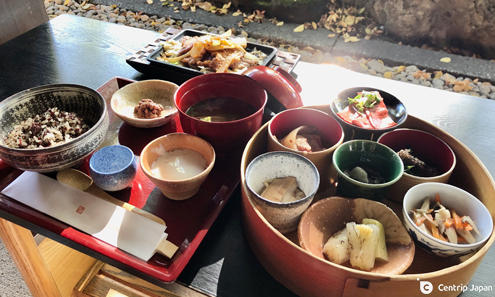
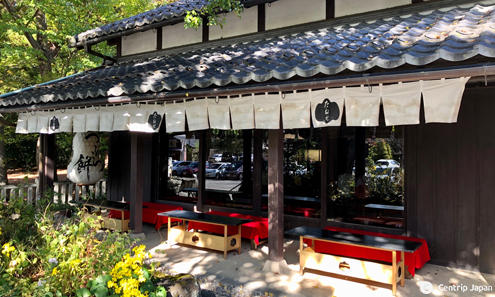
You can enjoy tea time with Japanese sweets here, and having lunch is also recommended. It feels great to have a meal at the outside terrace on a fine day while viewing the precincts of the Himure Hachiman-gu Shrine. Taneyazen is a visually appealing set featuring obanzai (Kyoto-style side dishes) and okowa (sticky rice), served in small bowls. Prices range from ¥2,000 to ¥7,000 with several menu options available.
*Menu items may vary by season.
5. Omihachiman's Historic Townscape
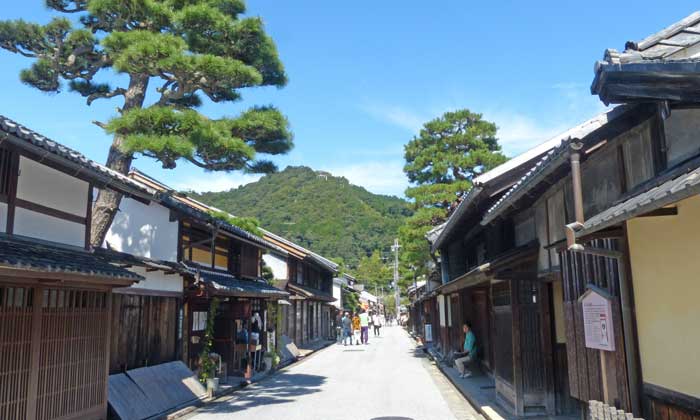
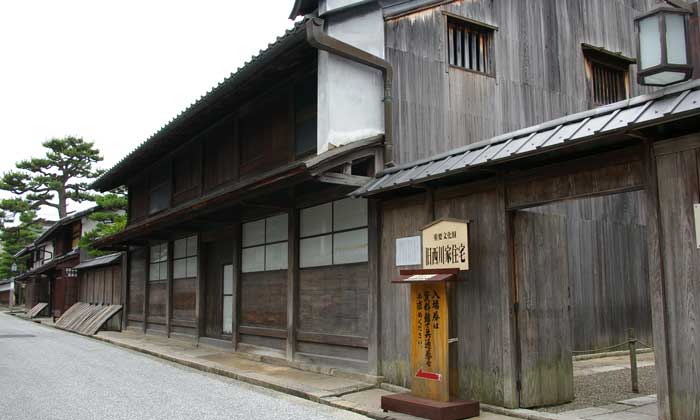
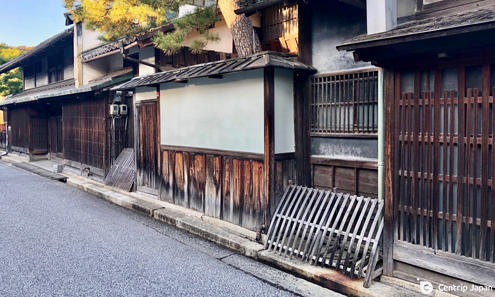
Upon exiting the path to Himure Hachiman-gu Shrine, the historic townscape opens before you. The townscape consists of large merchant houses built by the Omi merchants and remains well preserved to this day. You can enter some of the houses, such as the former Kyunishikawa house. The wealthy merchant homes are a prime example of the zenith of Edo-era architectural techniques. Immerse yourself in the feeling of a wealthy Edo-era merchant as you walk through the streets of the town.
6. Hachimanbori Meguri
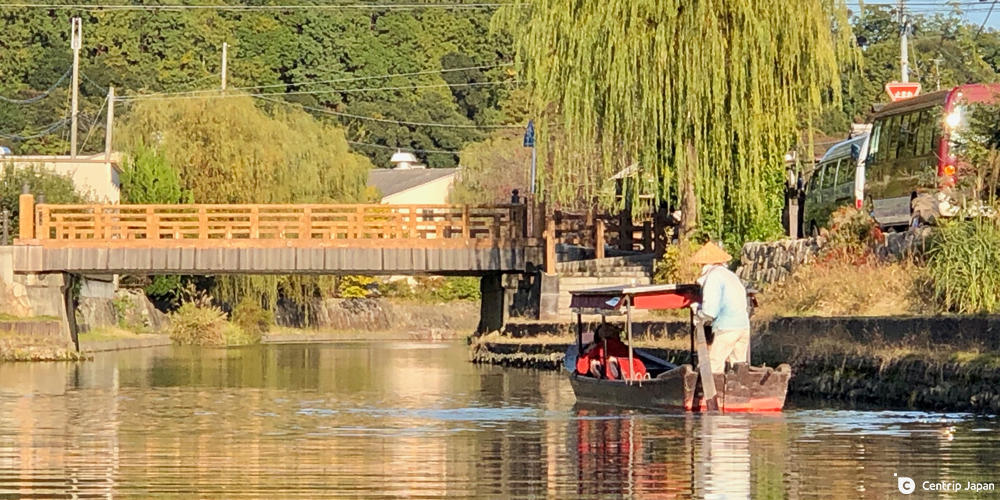
Originally built to defend Hachiman Castle, by using the waters of Lake Biwa, the canals of Hachimanbori were later used for travel and trade between Lake Biwa and the surrounding area. They also served as a strong source of economic power for the Omi merchants working to amass their fortunes.
Along the canals of Hachimanbori, two companies operate sightseeing boats. Take a roughly 30-minute ride on a traditional Japanese boat, enjoying the seasonal scenery. A rowboat guided by a boatman costs ¥1,300, while the other company offers a motorboat for ¥1,500. Operating from 10 AM to 4 PM, these cruises give you the chance to experience the breathtaking views of cherry blossoms, willows, autumn leaves, and snowy landscapes from the water.
Canal cruise on a hand-rowed boat
7. Hakuunkan
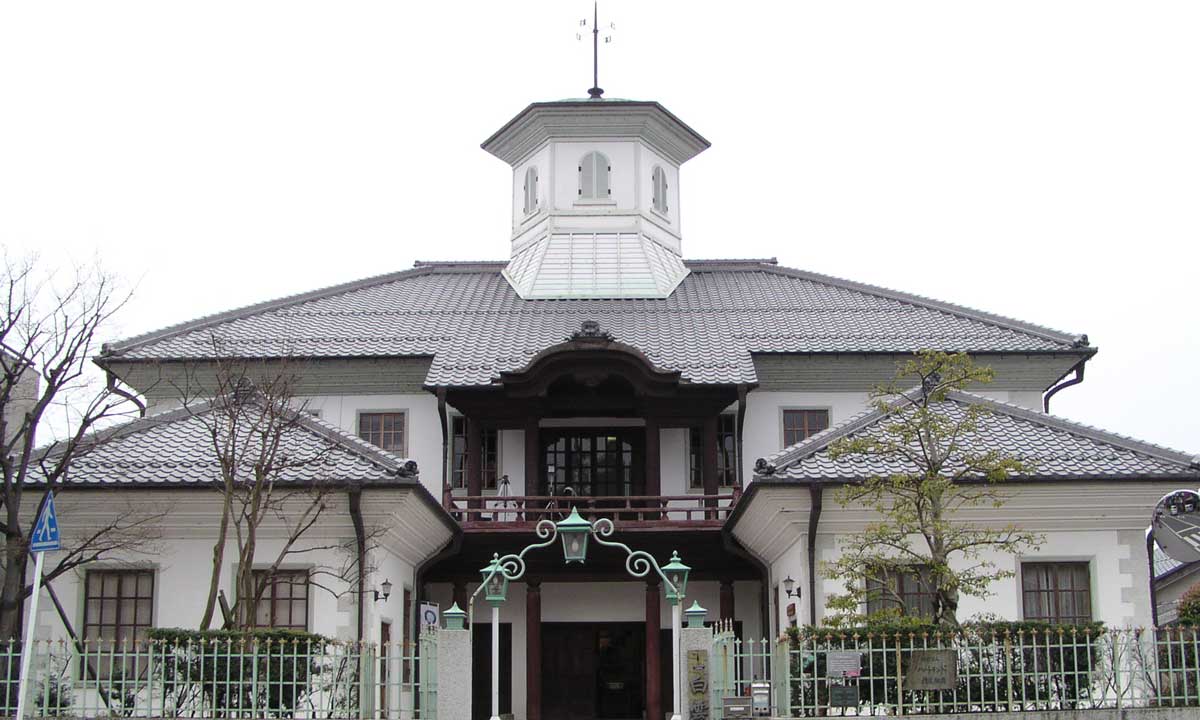
As you exit the path to Himure Hachiman-gu Shrine, you will come upon Hakuunkan. Constructed in 1877 as a school, Hakuunkan is now used as a tourist information center. The building is a prime example of the merging of Japanese and Western architectural styles and is an impressive point-of-interest.
8. La Collina Omihachiman
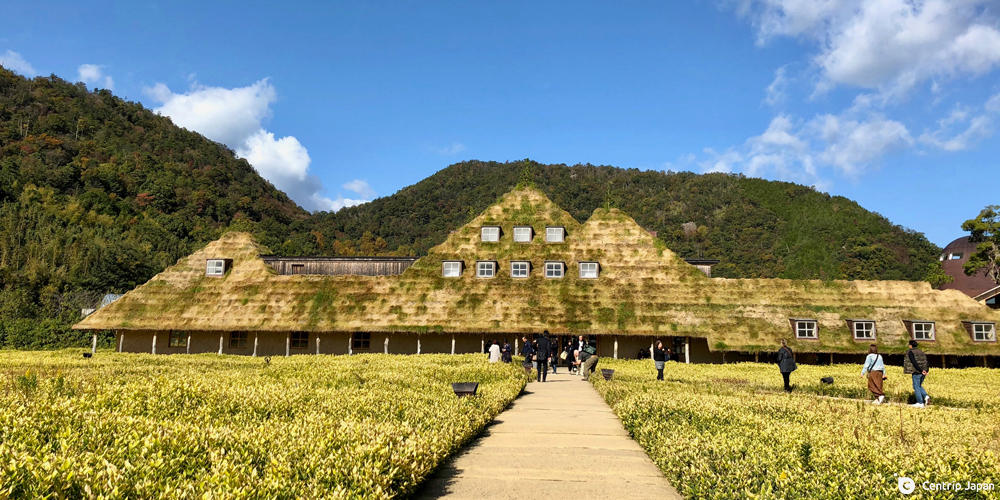
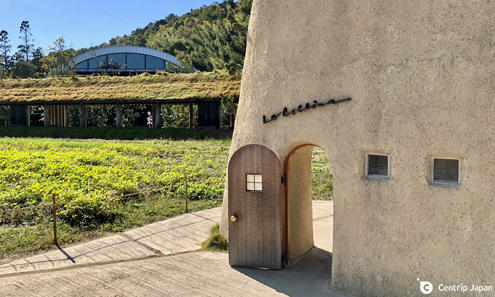
A 15min-walk from Himure Hachiman-gu Shrine lies La Collina Omihachiman (about 1km). La Collina Omihachiman was chosen as the most popular spot in Shiga for three consecutive years. Like Taneya Himure-no-ya, it is run by Taneya, a long-established Japanese confectionery store based in Omihachiman, and Club Harie, a Western confectionery store.
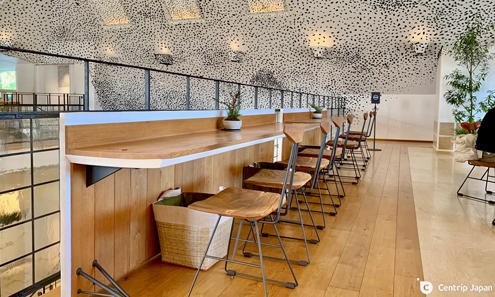
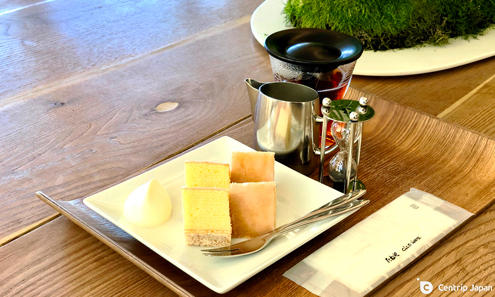
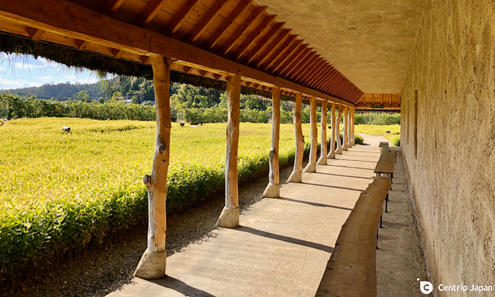
In addition to traditional Japanese sweets, La Collina Omihachiman also offers Western-style confections like Baumkuchen. The facility includes a café where you can enjoy limited-edition dorayaki, a Japanese red bean pancake, and freshly baked Baumkuchen. It’s not just about eating or buying sweets—one of the highlights is strolling through the spacious grounds and enjoying the beauty of nature in every season. La Collina Omihachiman is a fascinating, fairy-tale-like building and can serve as a backdrop for your most imaginative Instagram photos.
9. Omigyu (Omi Beef)
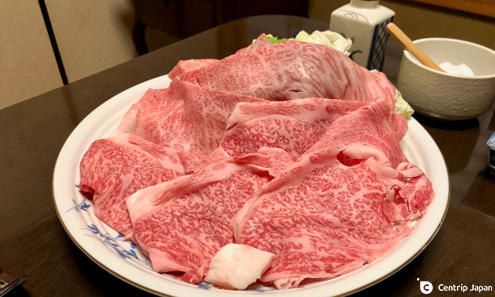
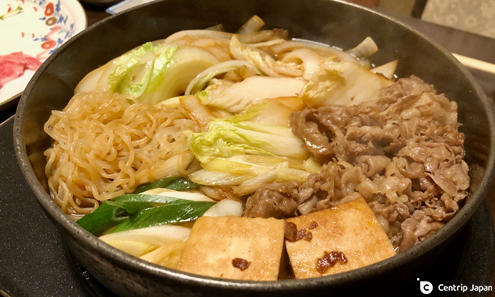
Your last stop in Omihachiman should include the mouth-wateringly delicious Omigyu! Omigyu's texture is soft and smooth and can be enjoyed in many different styles: sukiyaki, shabu-shabu, steak, and yakiniku. Each style offers a different experience of Omigyu to tantalize your tastebuds. Omihachiman has many restaurants serving Omigyu, so don't rush, take your time and pick the right one for you. Prices of Omigyu dishes vary greatly, from ¥1,000 to ¥10,000 depending on the restaurant. As most restaurants close early, don't forget to check the opening hours in advance.
Wrap-up
If you are looking for a small town filled to the brim with Japanese-character and charm, Omihachiman is the perfect day trip waiting for you to discover.
*The information presented in this article is based on the information available at the time it was written. Please contact any facilities listed on this site directly for up-to-date information.
